
The Myrth Journal
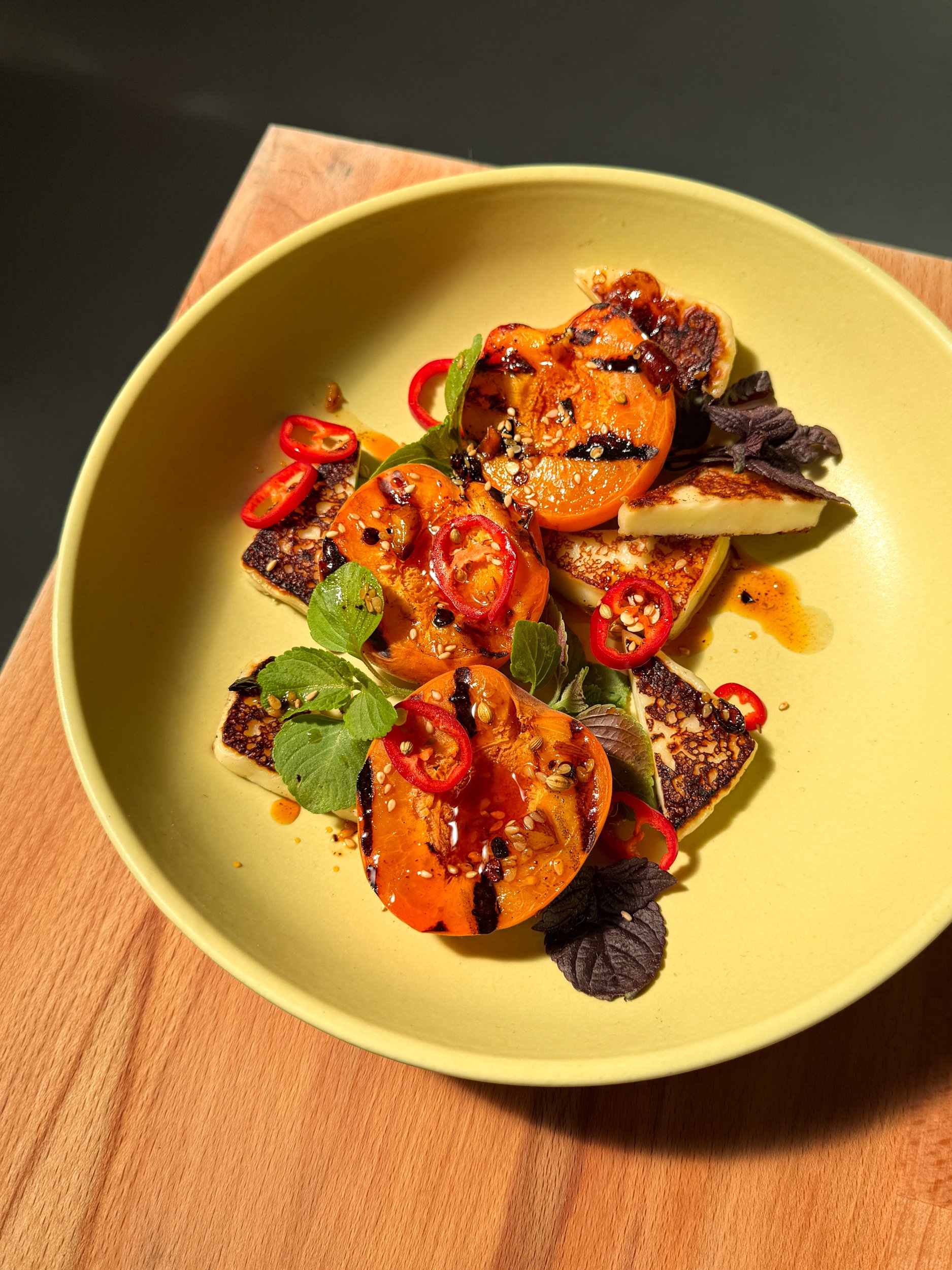
Char and Chartreuse: Summer Grilling on Ume Porcelain
Pale chartreuse does something unexpected on a table: it makes food look more alive. We've been plating on Ume since the glaze launched in mid-May and keep stopping to take photos we didn't plan to take.
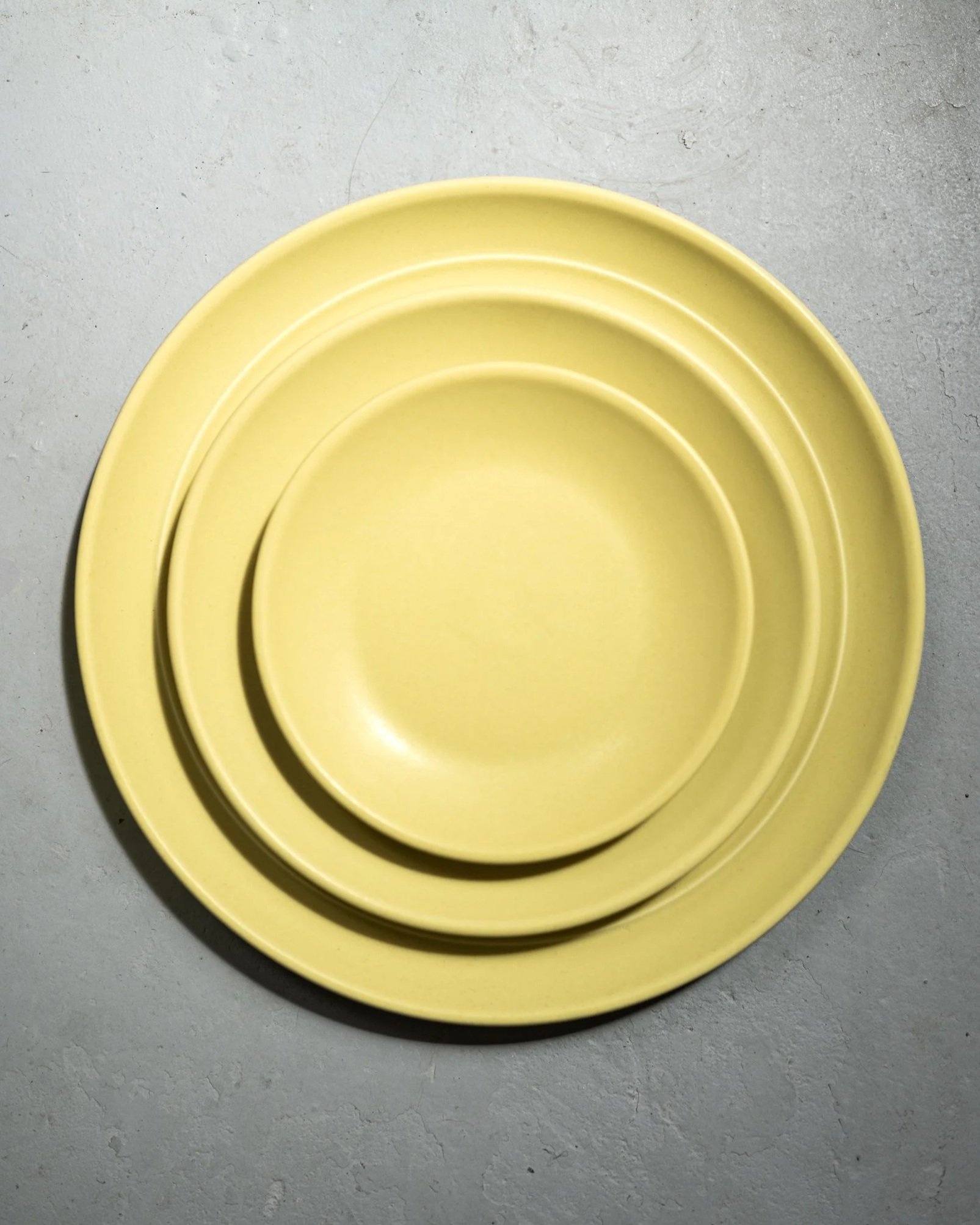
Introducing Ume: Our First Studio Glaze.
There is a specific color that only exists for a few weeks a year. Too yellow to be green, too green to be yellow. We've been chasing it since we started making tableware. This is how we finally got there, and why we named it after a Japanese plum.
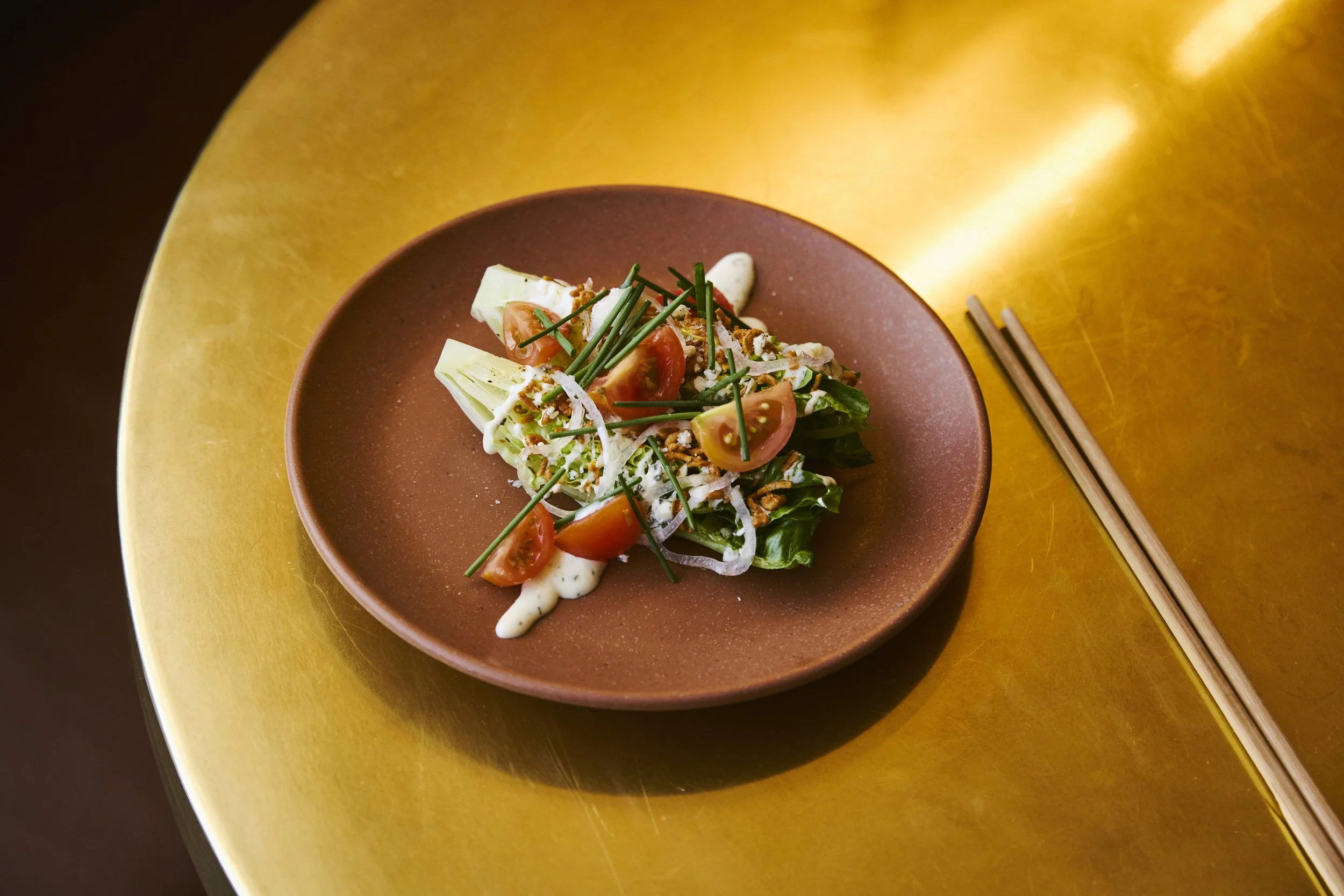
Myrth x Hai Hospitality: How a Trade Show Conversation Became a National Partnership
We met the Hai Hospitality team at the Utility Trade Show in Chicago in 2024. They picked up our pieces and connected with them immediately. Since that conversation, we've made restaurant tableware for three Hai concepts across three cities. Here's the full story.
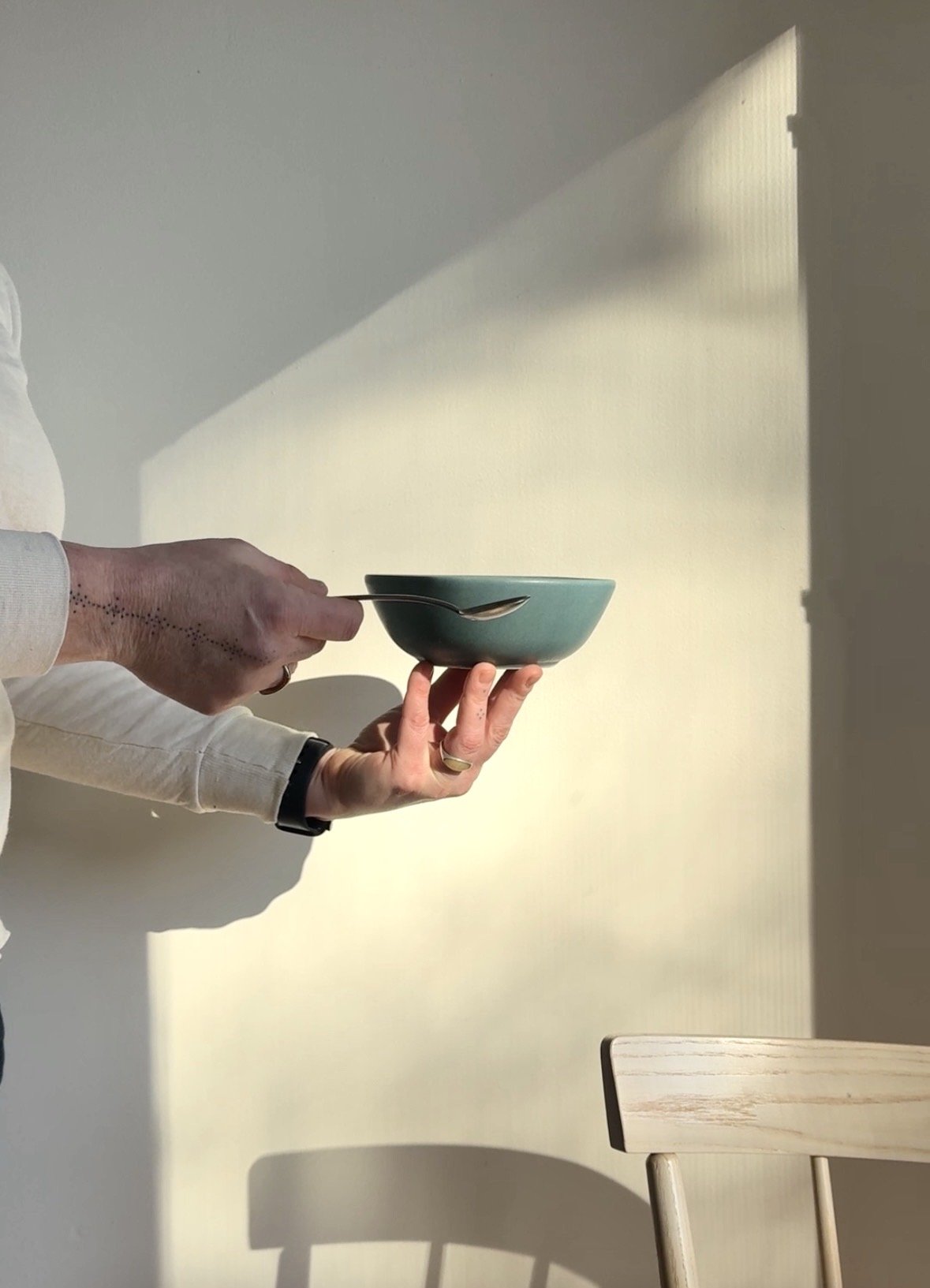
The Durability Project: The Ring Test — Why Porcelain Lasts Longer
Tap a porcelain plate with a spoon and it rings like a bell. That sound tells you everything about particle alignment, vitrification, and why porcelain is fundamentally stronger than stoneware. Here's the material science, simplified.
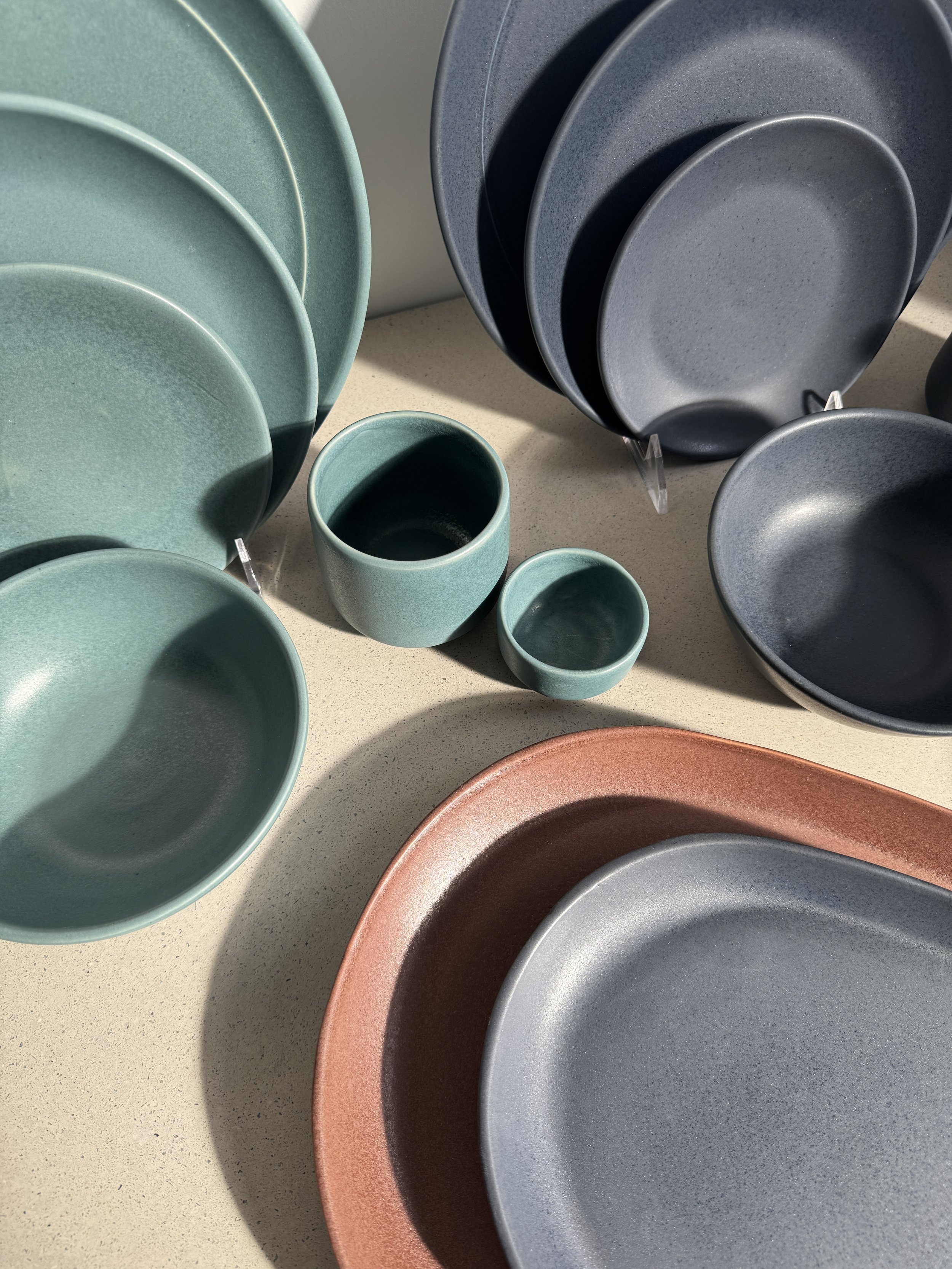
Understanding Our Glazes (Beyond Photos)
Every glaze in our collection has surface qualities that product photography can't capture — texture, depth, how it catches light at different angles, and a soft, buttery hand feel. Here's what you're missing when you shop online.
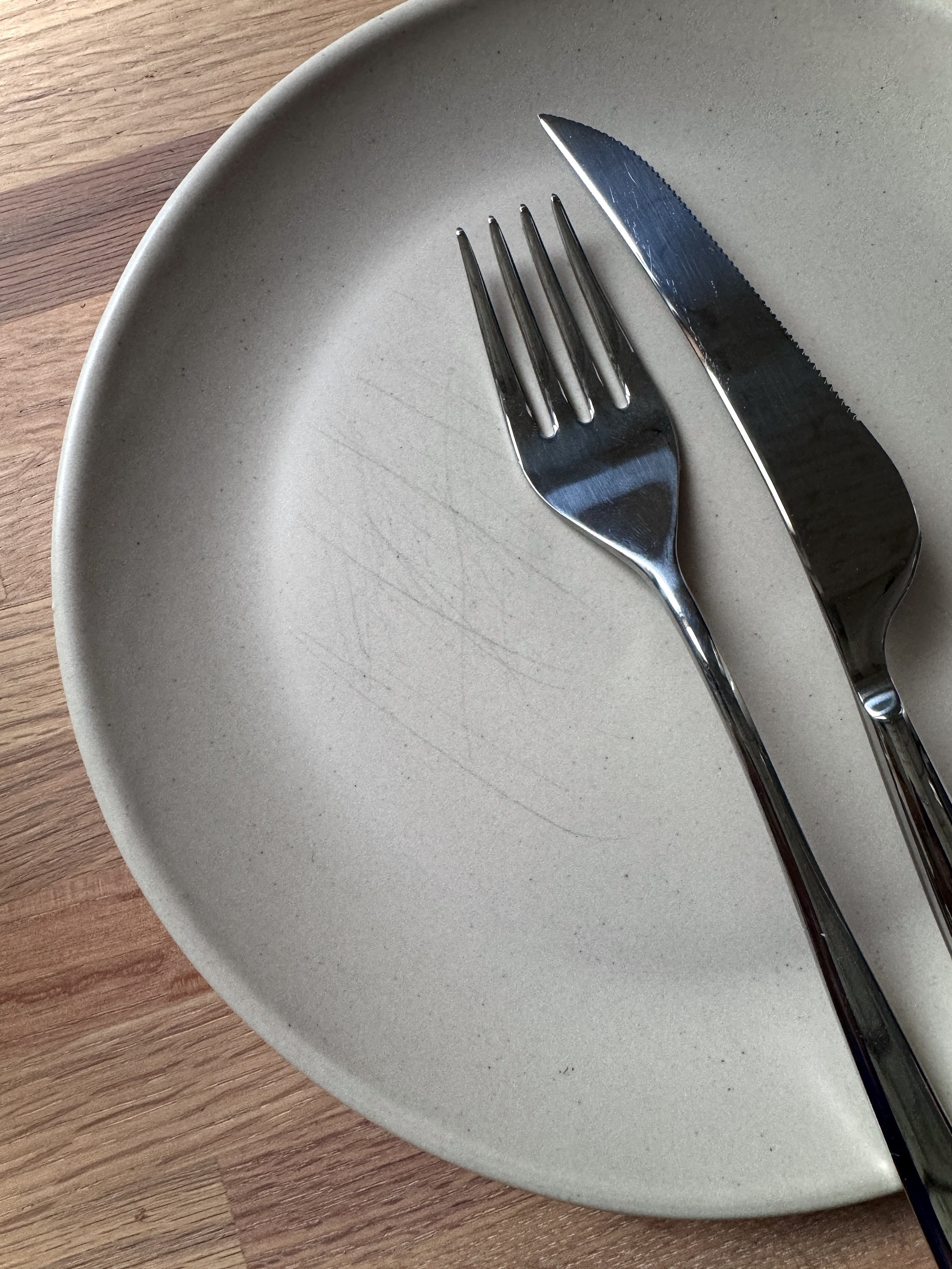
The Durability Project: Care, Use & The Truth About Silverware Marks
Are your Myrth pieces dishwasher safe? Oven safe? What's actually causing those grey marks on your plates — and how do you get rid of them? In this installment of The Durability Project, we answer every practical care question we get, plus a little materials science explaining why porcelain and silverware behave the way they do together.
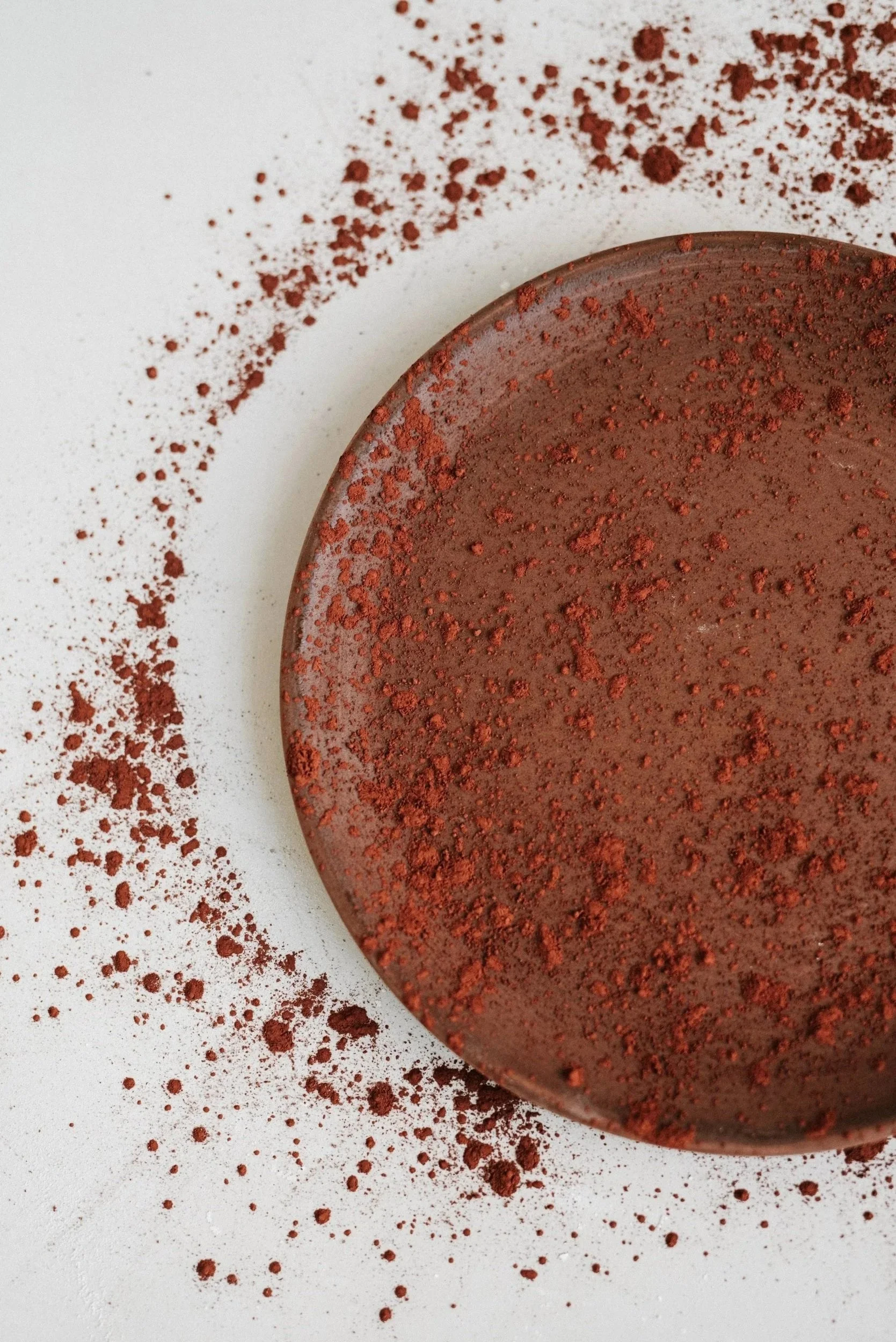
The Durability Project: What Makes Dinnerware Safe and Chip-Resistant
We get a version of the same question almost every week: Is your dinnerware safe? Will it chip? What's actually in the glaze?
Fair questions. And the fact that people have to ask them says something about the state of the dinnerware industry. Most brands don't talk about what's in their products — not because they're hiding something, necessarily, but because it's complicated, and complicated doesn't sell. A pretty lifestyle photo does.
We think you deserve better than that. We're ceramics makers — we formulate our own clay and glazes from scratch in our East Providence, Rhode Island studio — so we can actually answer these questions with specifics, not marketing language.
Here's what we think everyone should know before buying dinnerware they plan to eat off of every day.
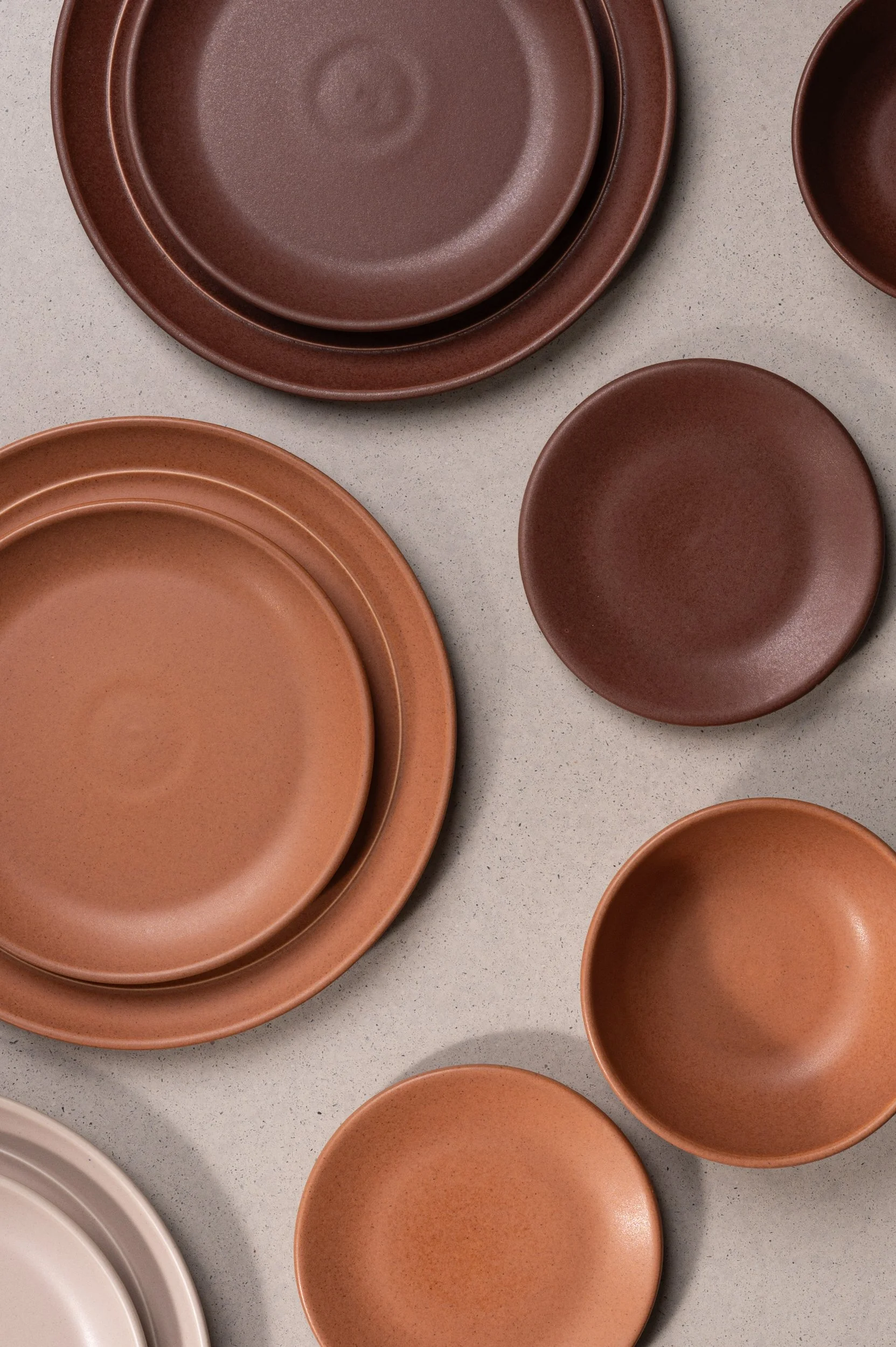
Building Your Wedding Dinnerware Registry: A Guide to Creating Your Myrth Collection
The best wedding registries aren't built from templates. They're built from the life you're actually planning to live together.
We've spent the last ten years helping couples create dinnerware collections that feel personal, not prescribed. Not matching sets pulled from a catalog, but thoughtfully assembled pieces that mix colors, shapes, and uses in ways that make sense for your table, your cooking style, your home.
Here's what we've learned about building a registry that will actually serve you—not just look good on a spreadsheet.
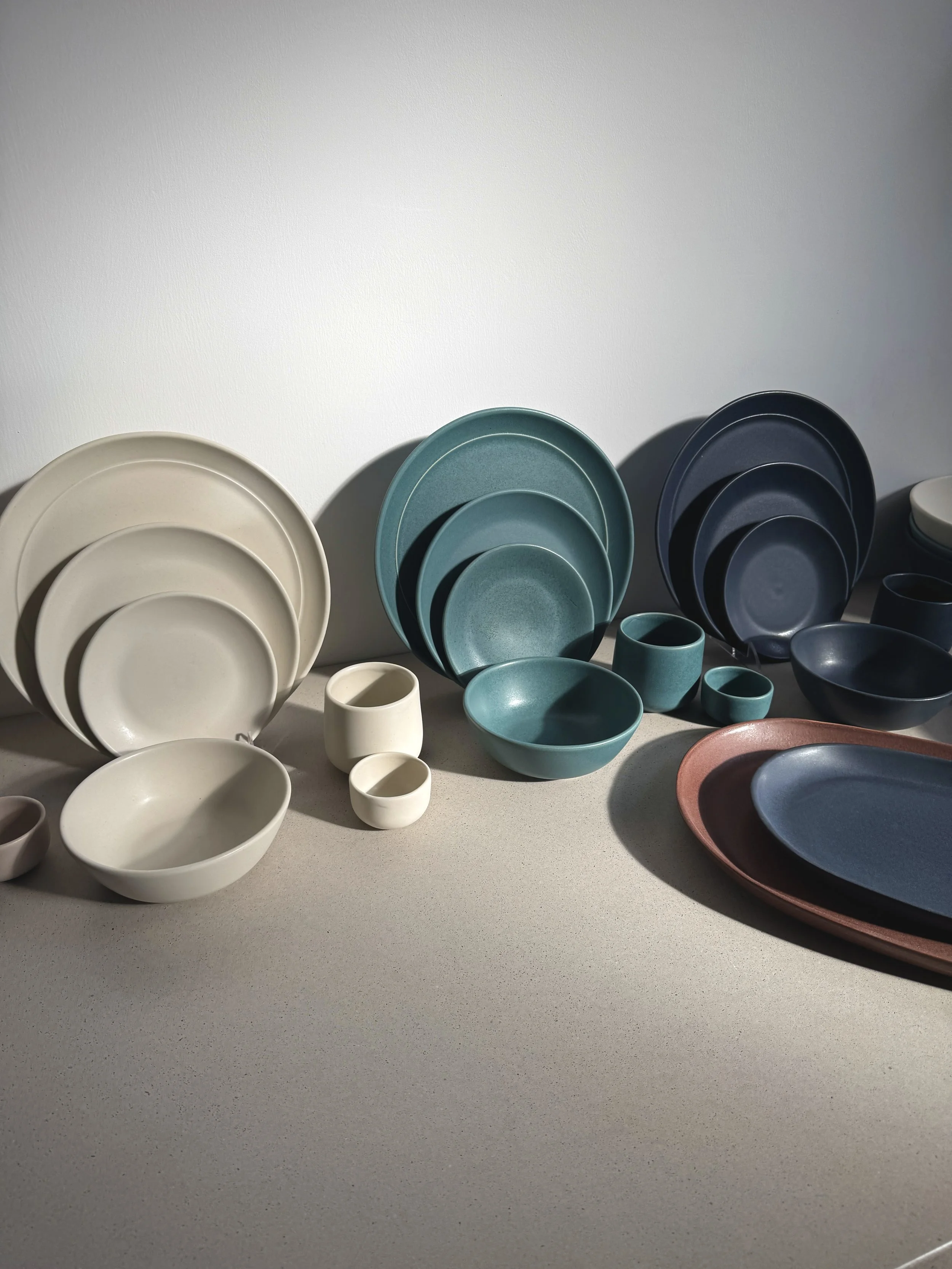
Handcrafted in Rhode Island: How Every Piece of Myrth Porcelain Is Made
Everything we make starts and finishes in our East Providence, Rhode Island studio. There's no overseas production, no contract manufacturing, no warehouse full of someone else's work with our name on it. Every plate, bowl, cup, and vase is made by our hands — from raw porcelain clay to finished, glazed piece — right here in Rhode Island.
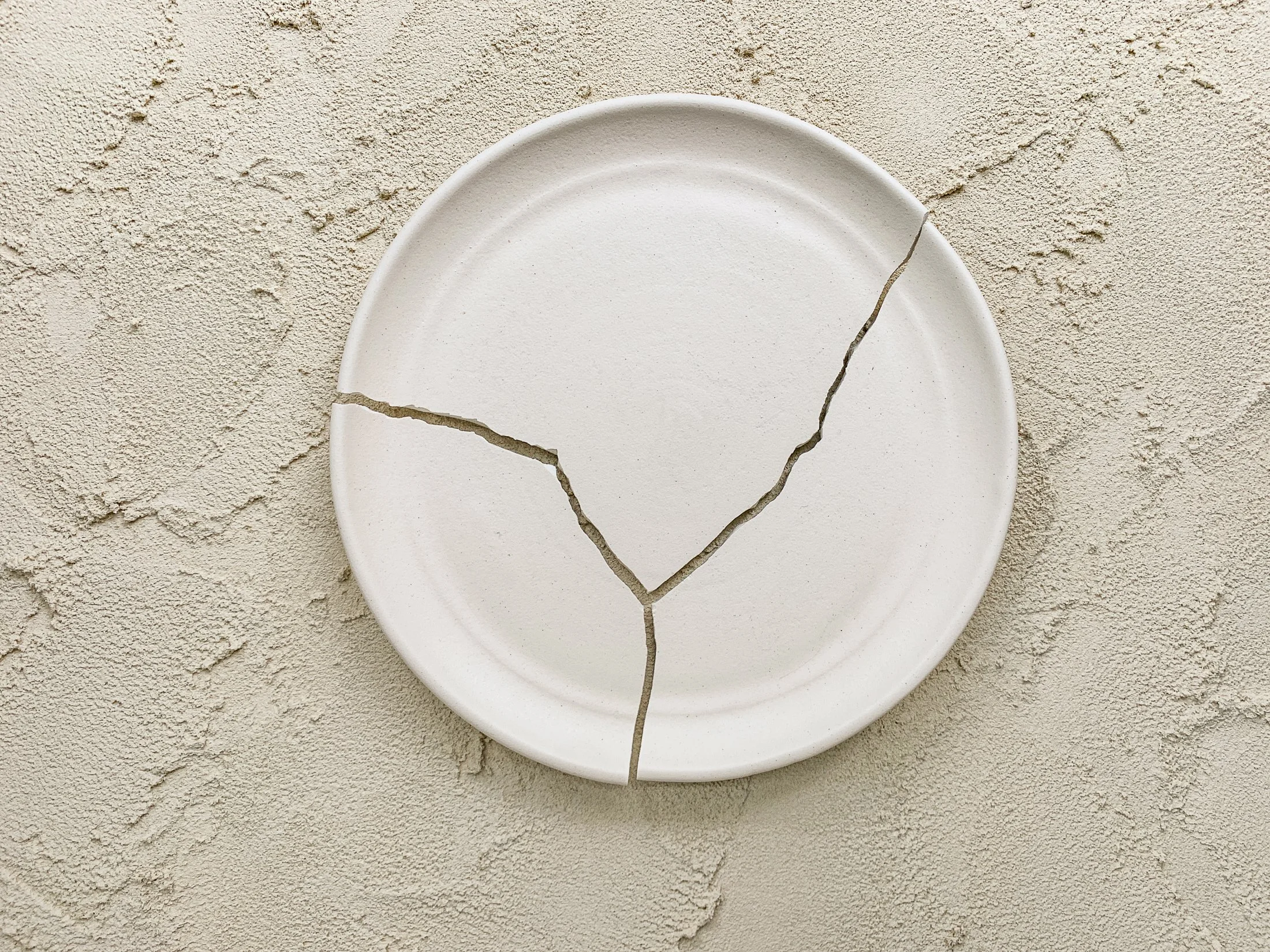
The Durability Project: Why Clean Breaks Matter in Restaurant Kitchens
For the next several months, we're documenting exactly what our porcelain goes through—both in our own kitchen and in the restaurants that depend on it. Not the catastrophic breaks (though we'll talk about those too), but the daily, relentless wear that separates dinnerware that lasts from dinnerware that doesn't.