
How to Build a Dinnerware Set: Where We'd Start You
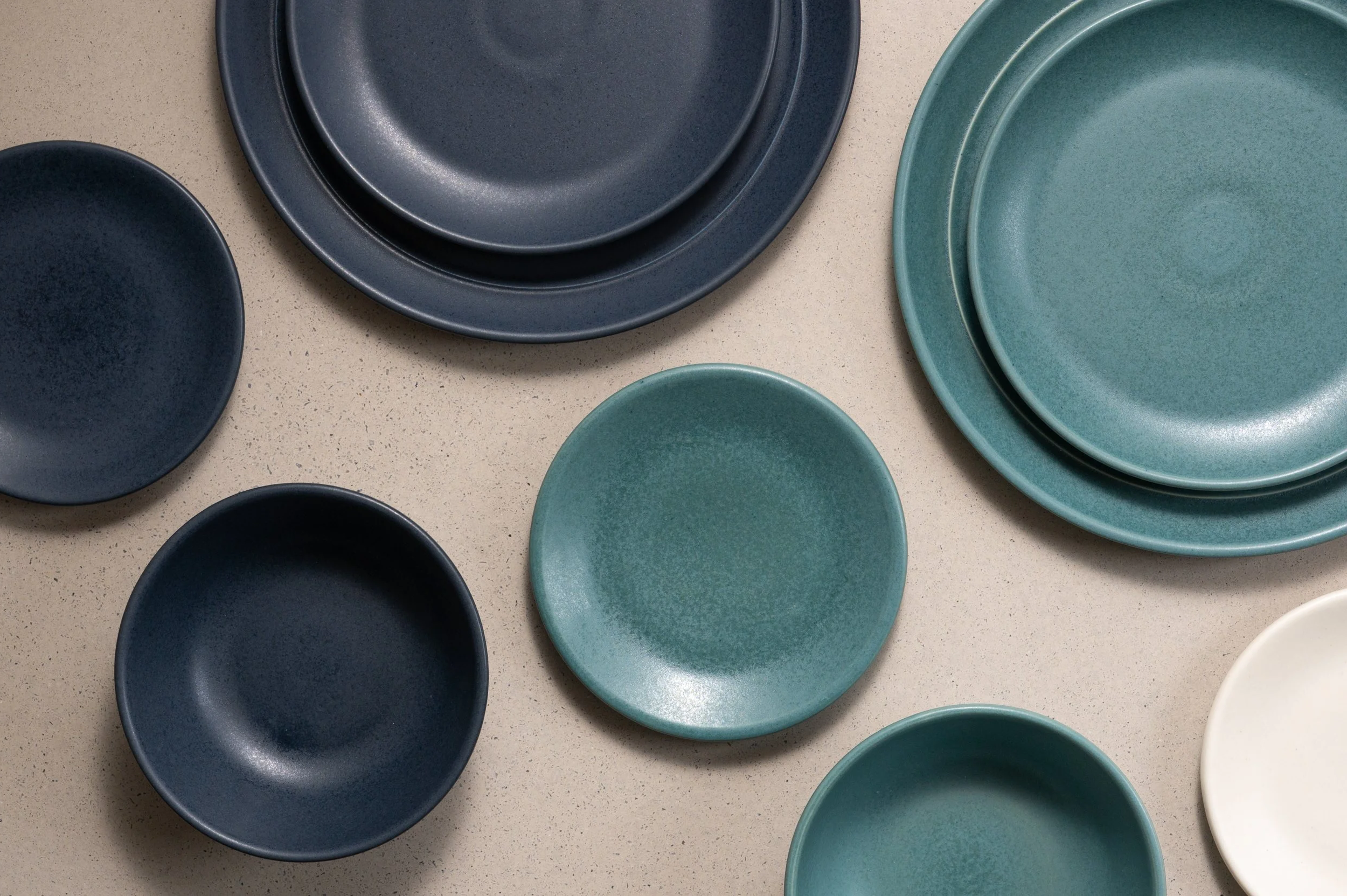
The hardest part of buying tableware is not the buying. It is that choosing means answering four questions at once: which pieces, which set, how many settings, and what color. That is a lot to hold before you own a single plate.
So here is the order we walk people through in the studio, and the answers we give.
First, which pieces
Start with what you cook, not with what a set contains.
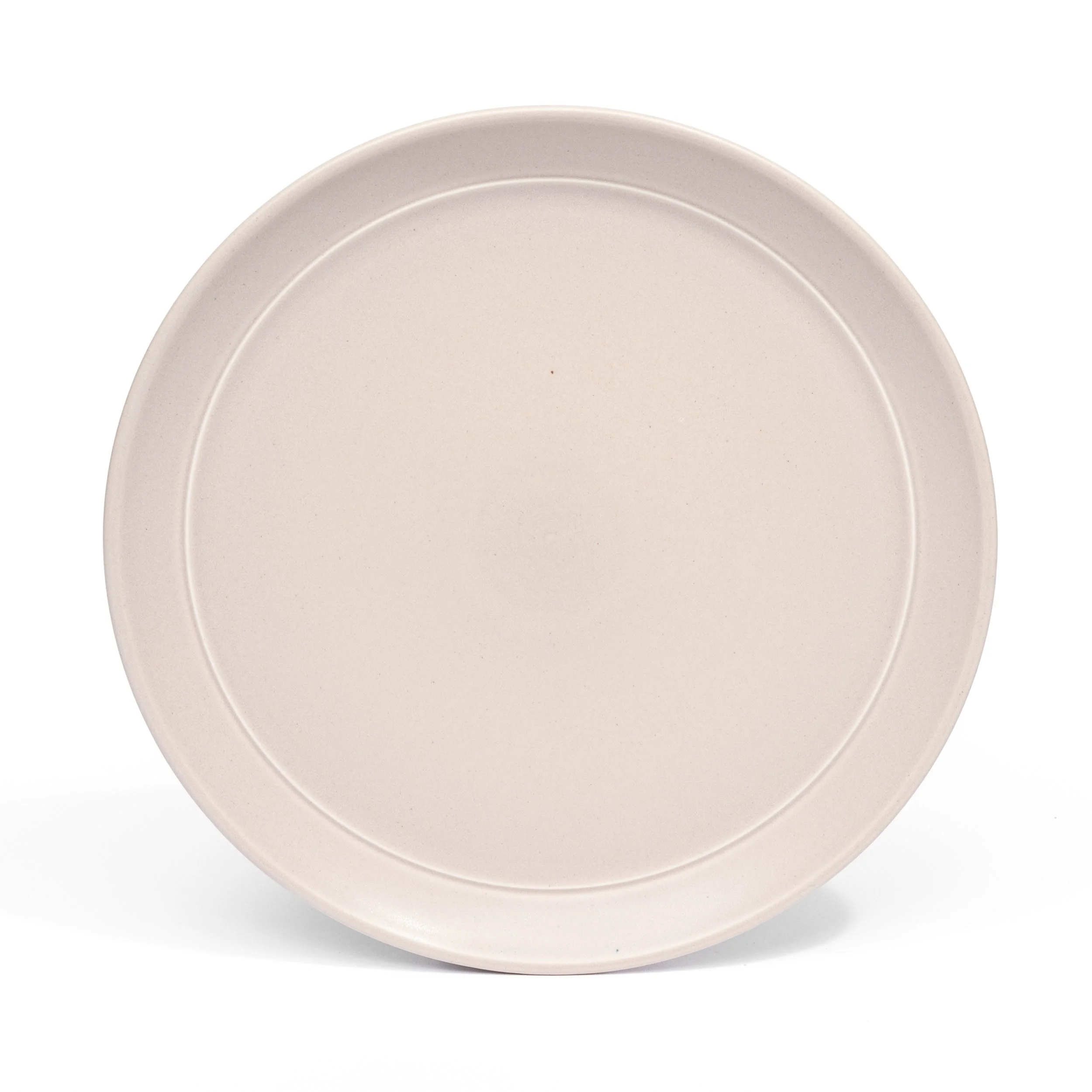
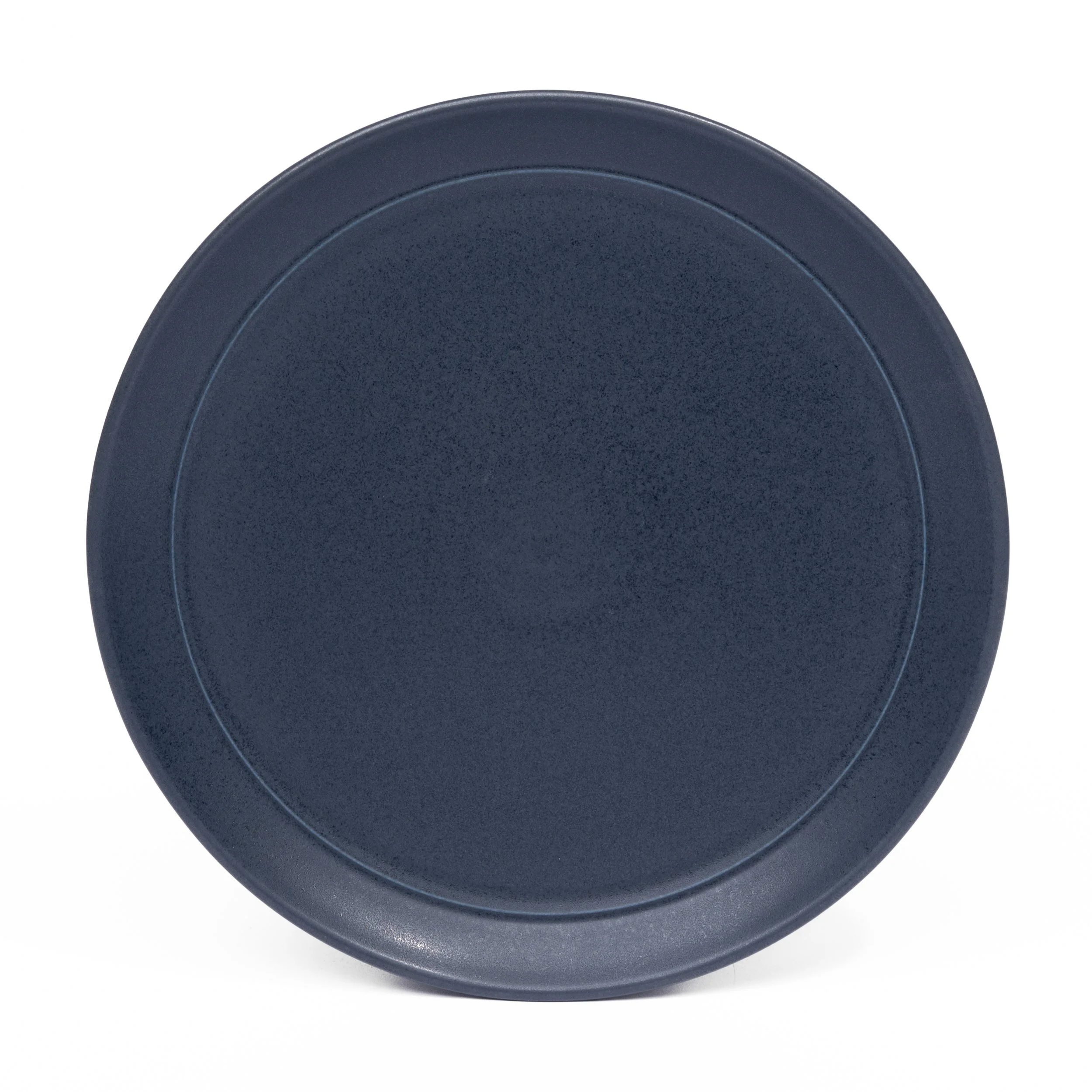
The Dinner Plate is 10.5 inches and carries most dinners, from pizza to a plated protein and vegetable.
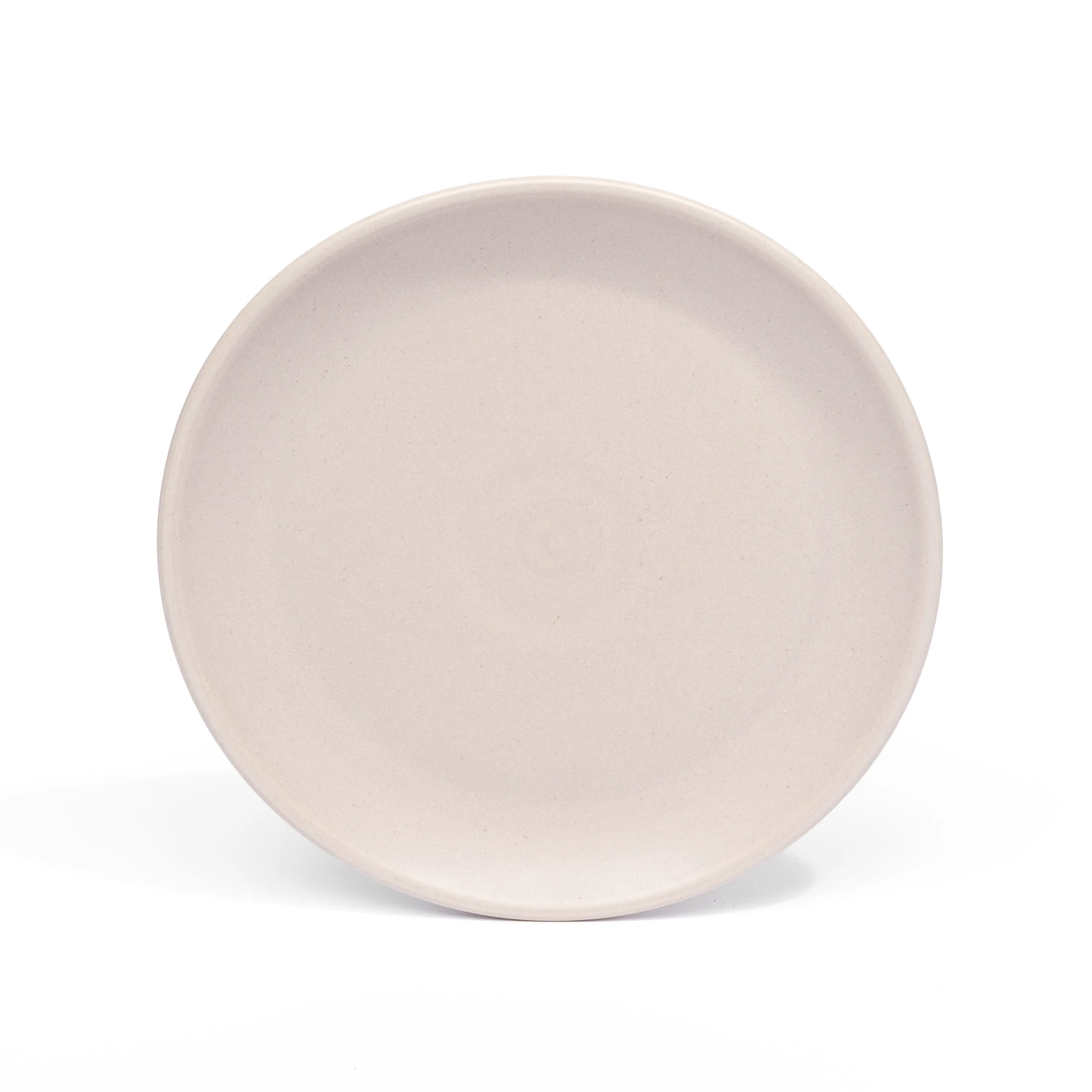
The Appetizer Plate at 8 inches is the piece people underestimate. Toast in the morning, a sandwich at lunch, a side salad, dessert later. It is the plate you reach for on a Tuesday when dinner is not really a production.
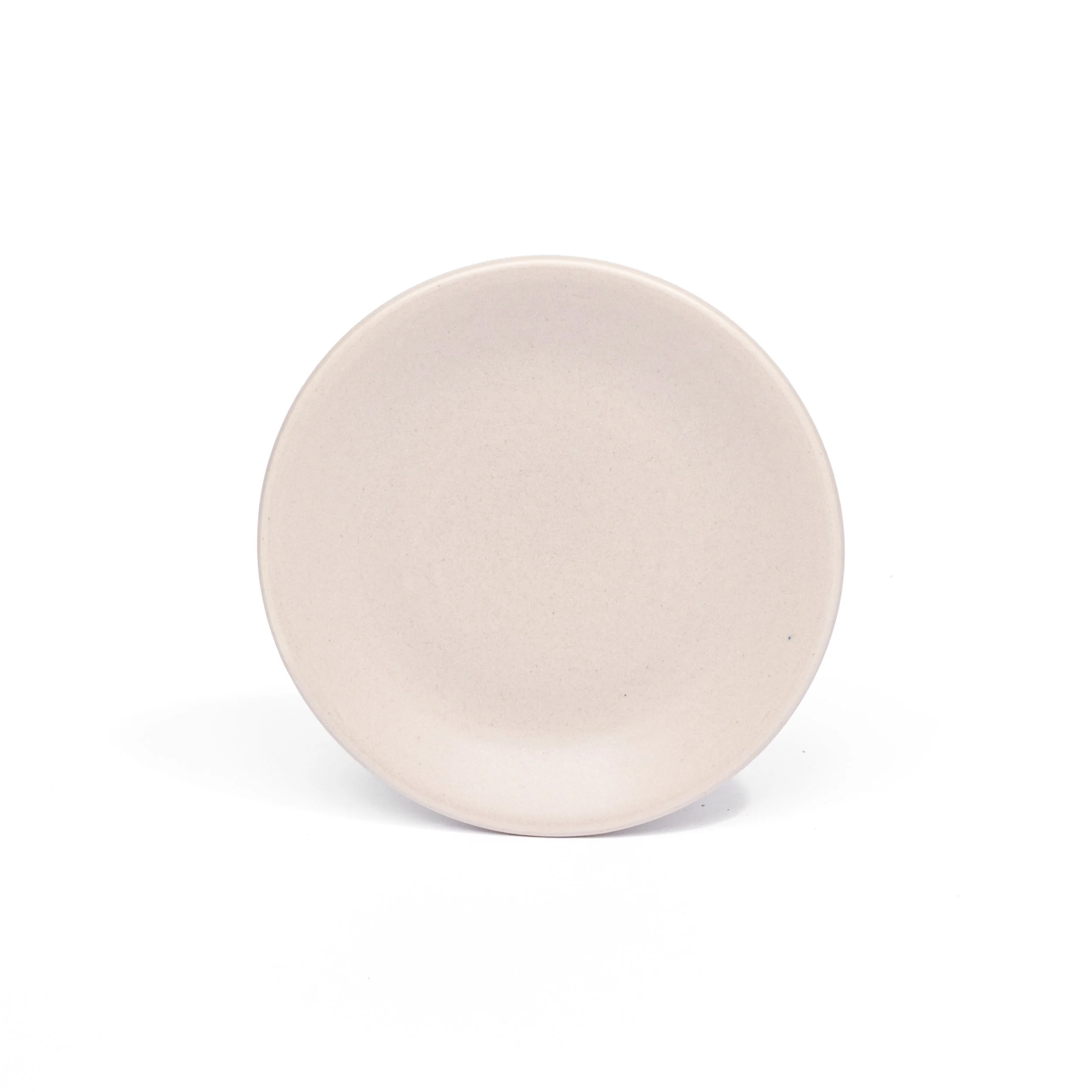
The Morsel Plate is our 6 inch snack and dessert dish, and the one that does bread service.
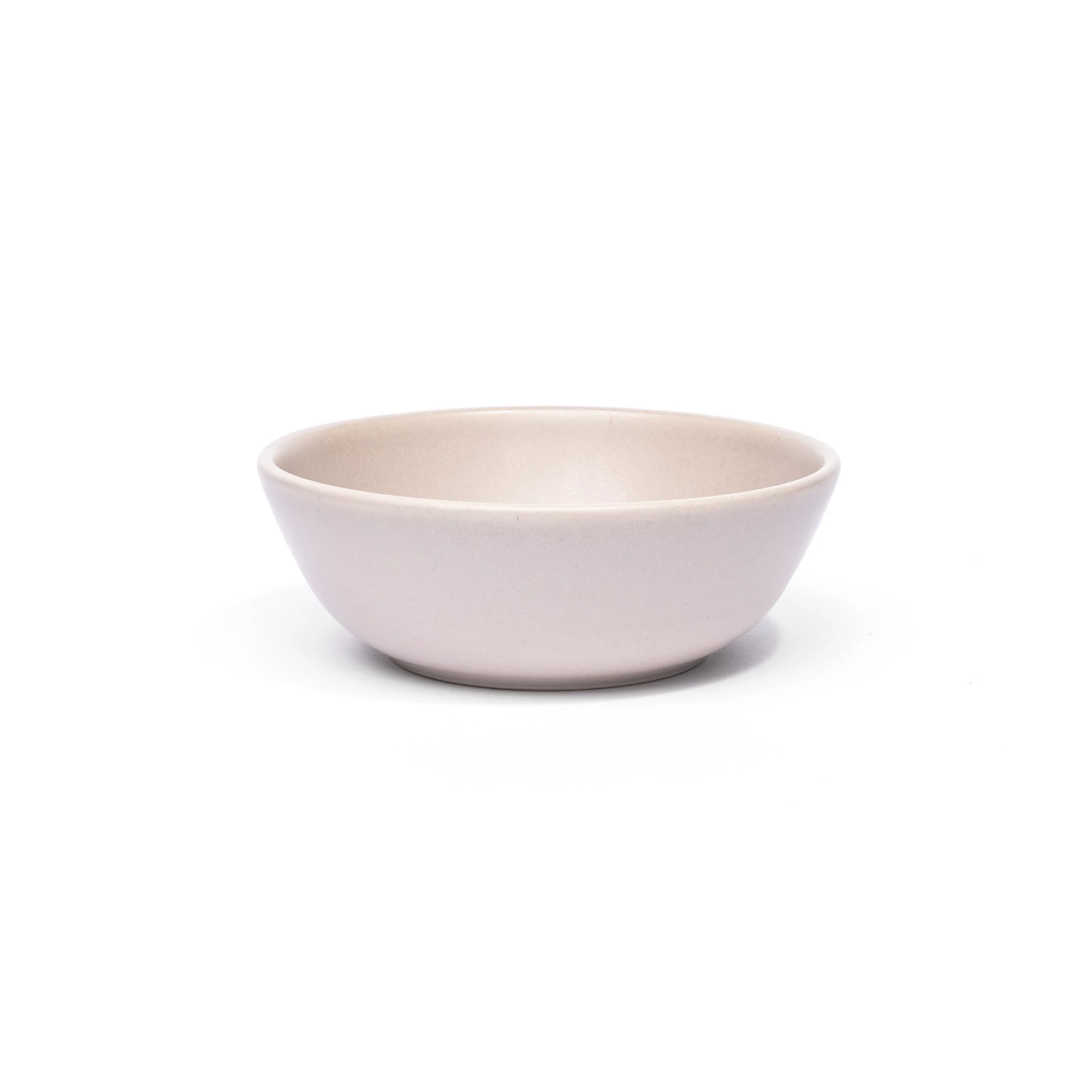
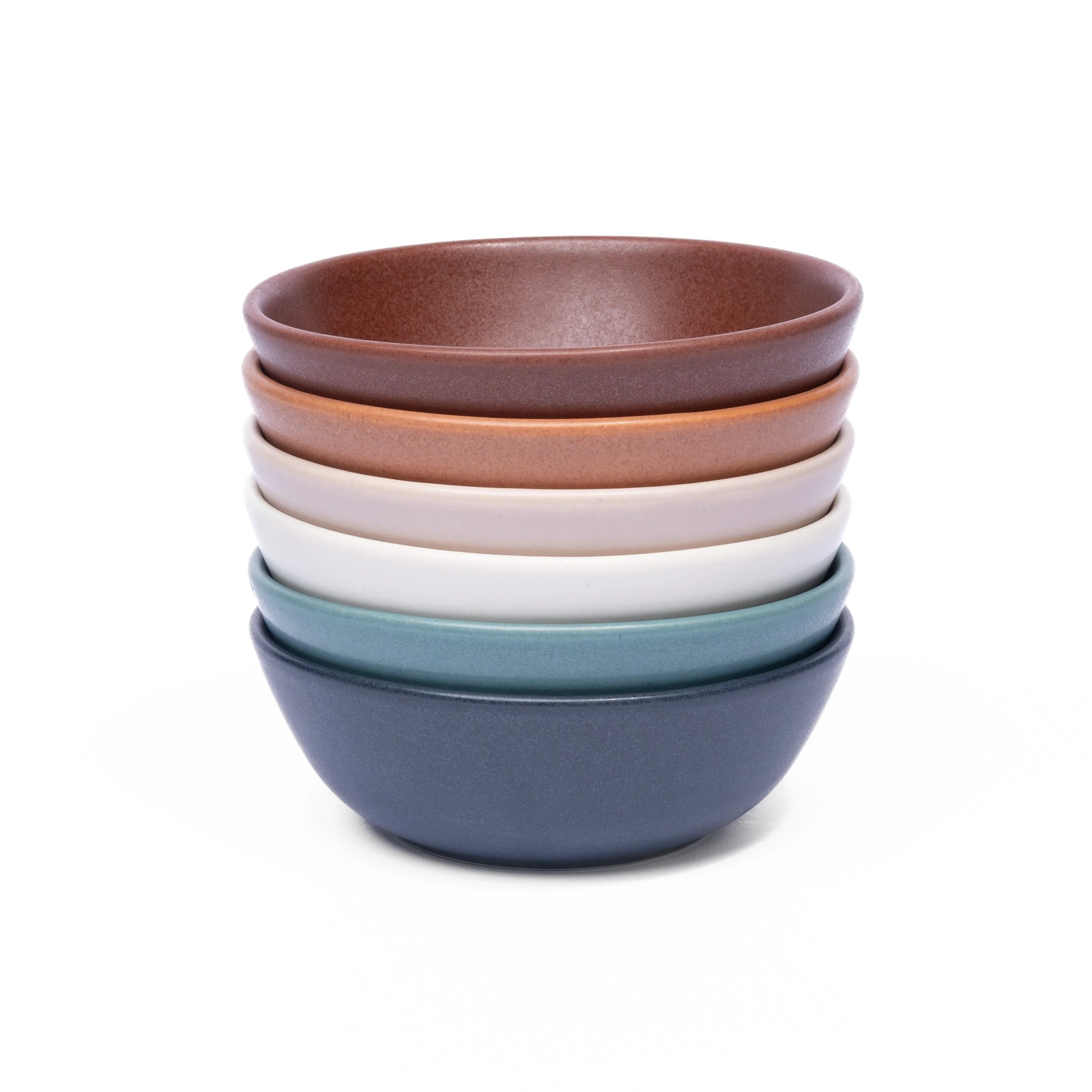
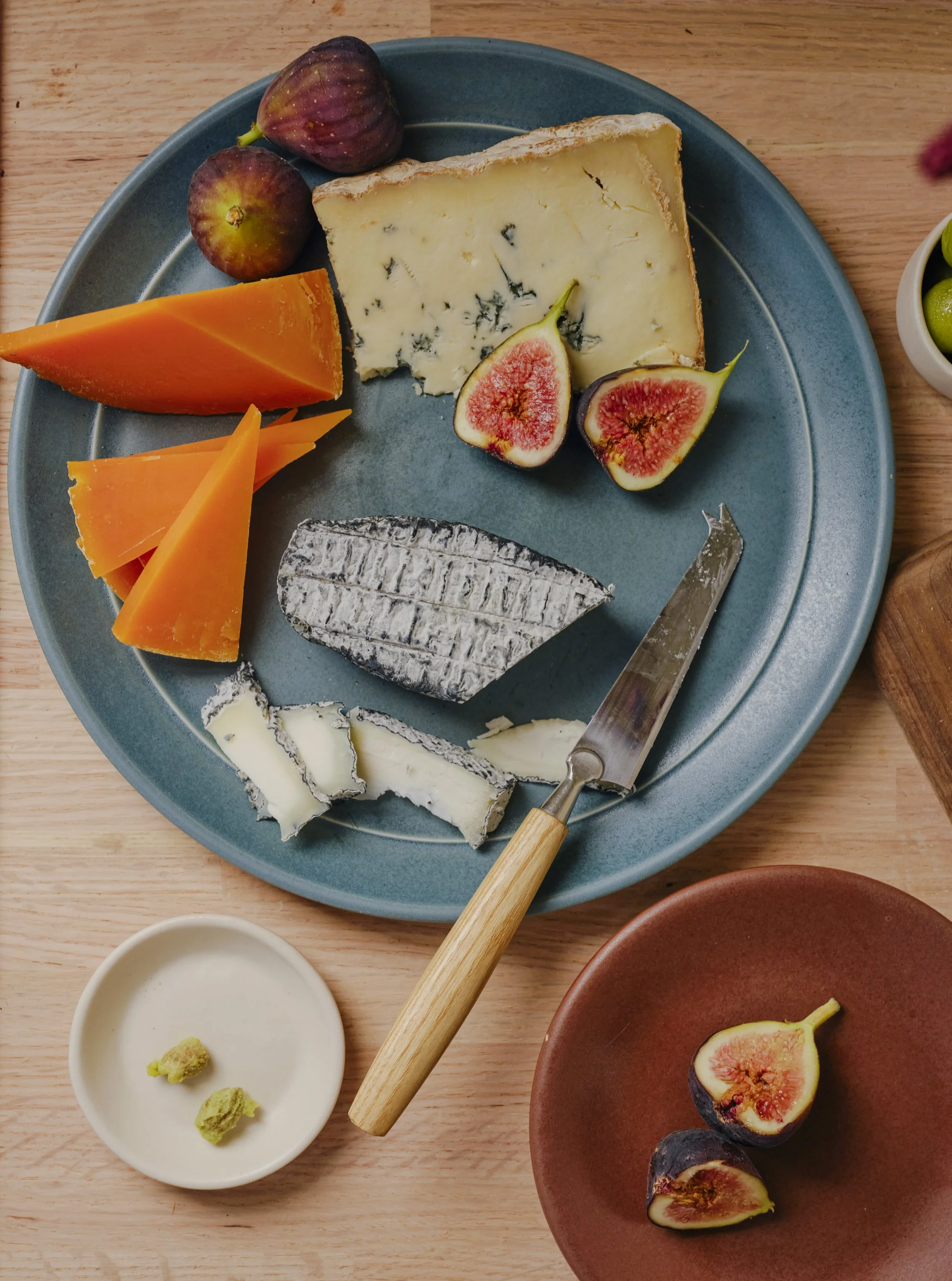
The Tasting Bowl is 6 inches across and 2 deep. Cereal, soup, hummus and vegetables. It also sits neatly on top of the 12 inch platter, which is how we do crudités and dip.
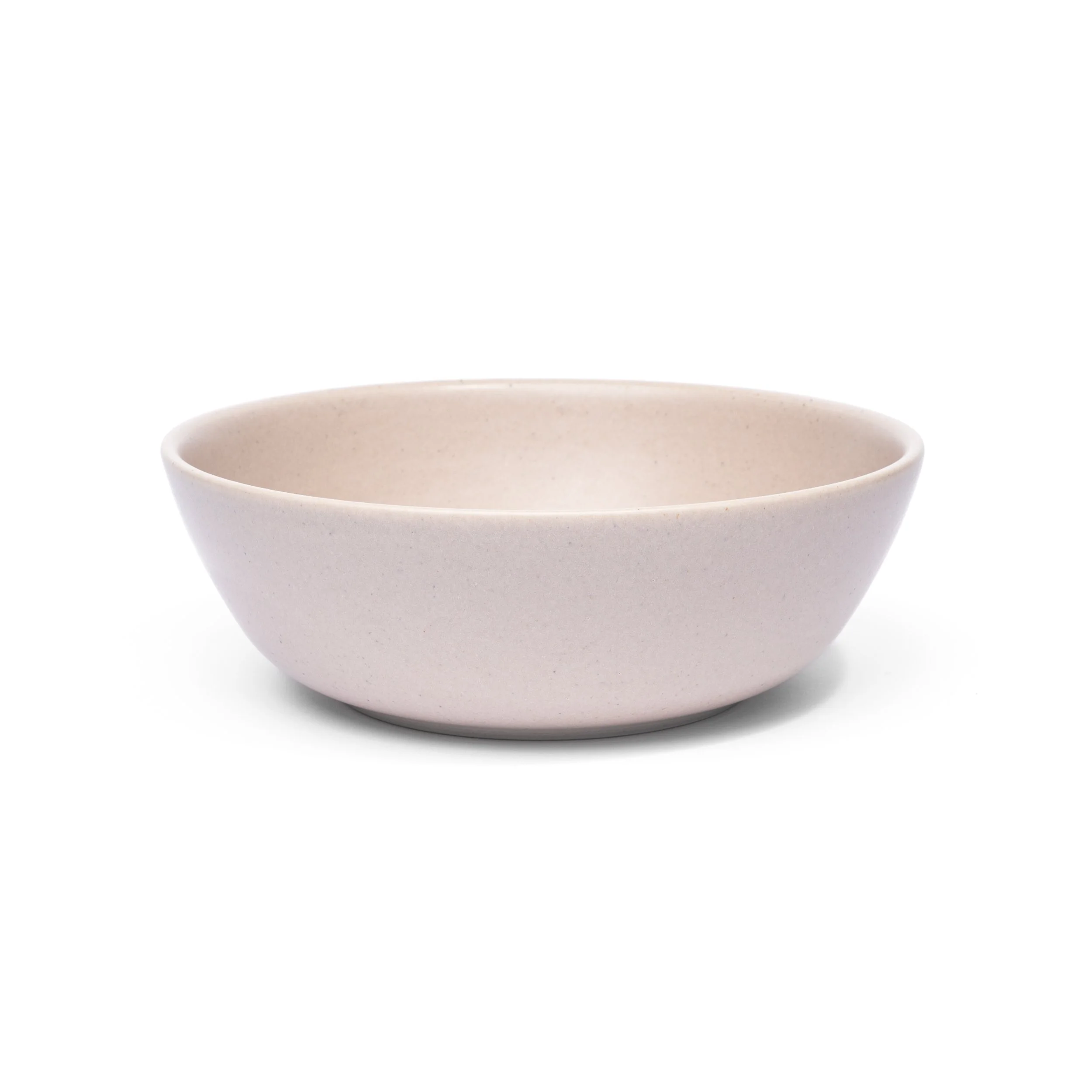
The Helping Bowl is 8 inches and 3 deep, the dinner bowl for noodles, salad, and grain bowls.
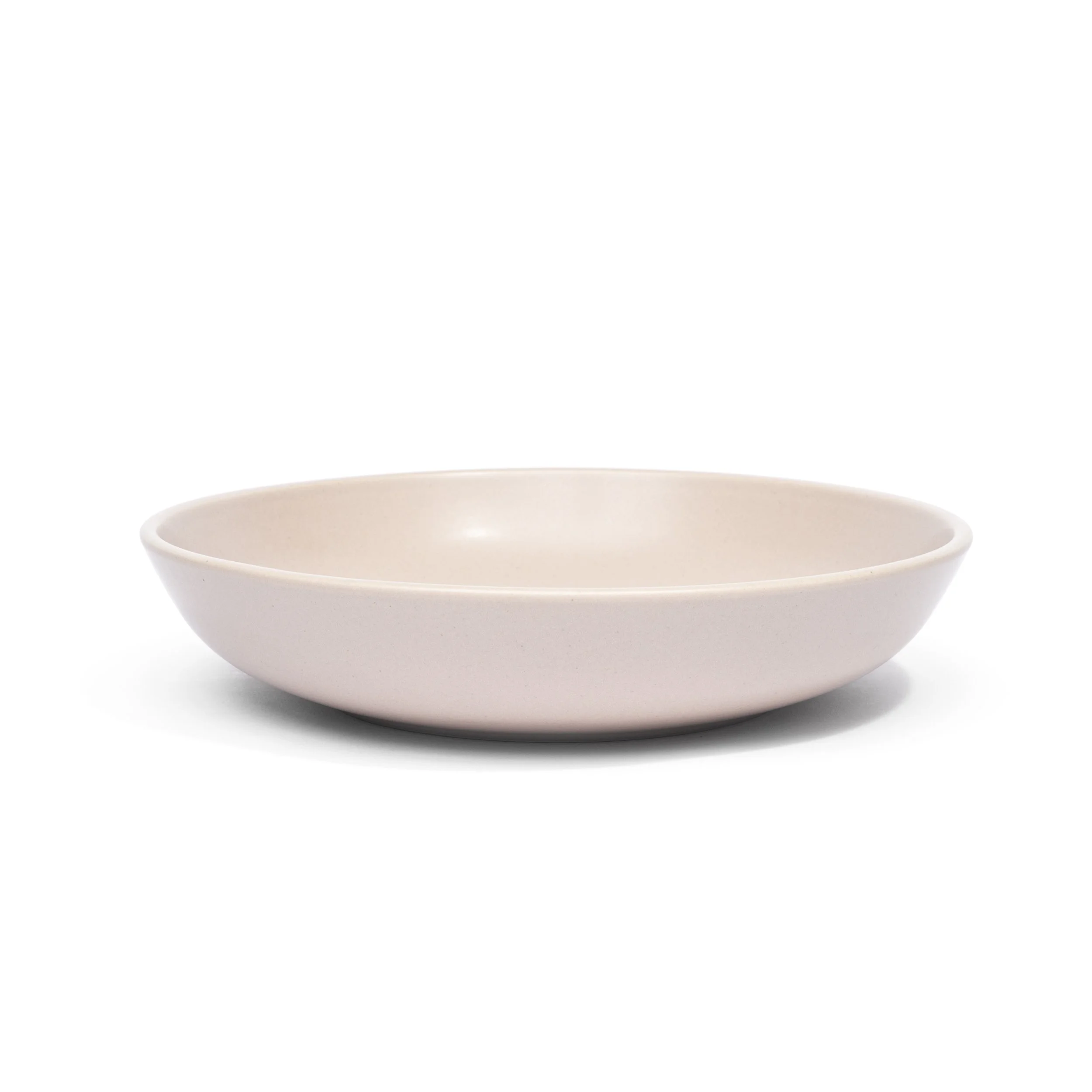
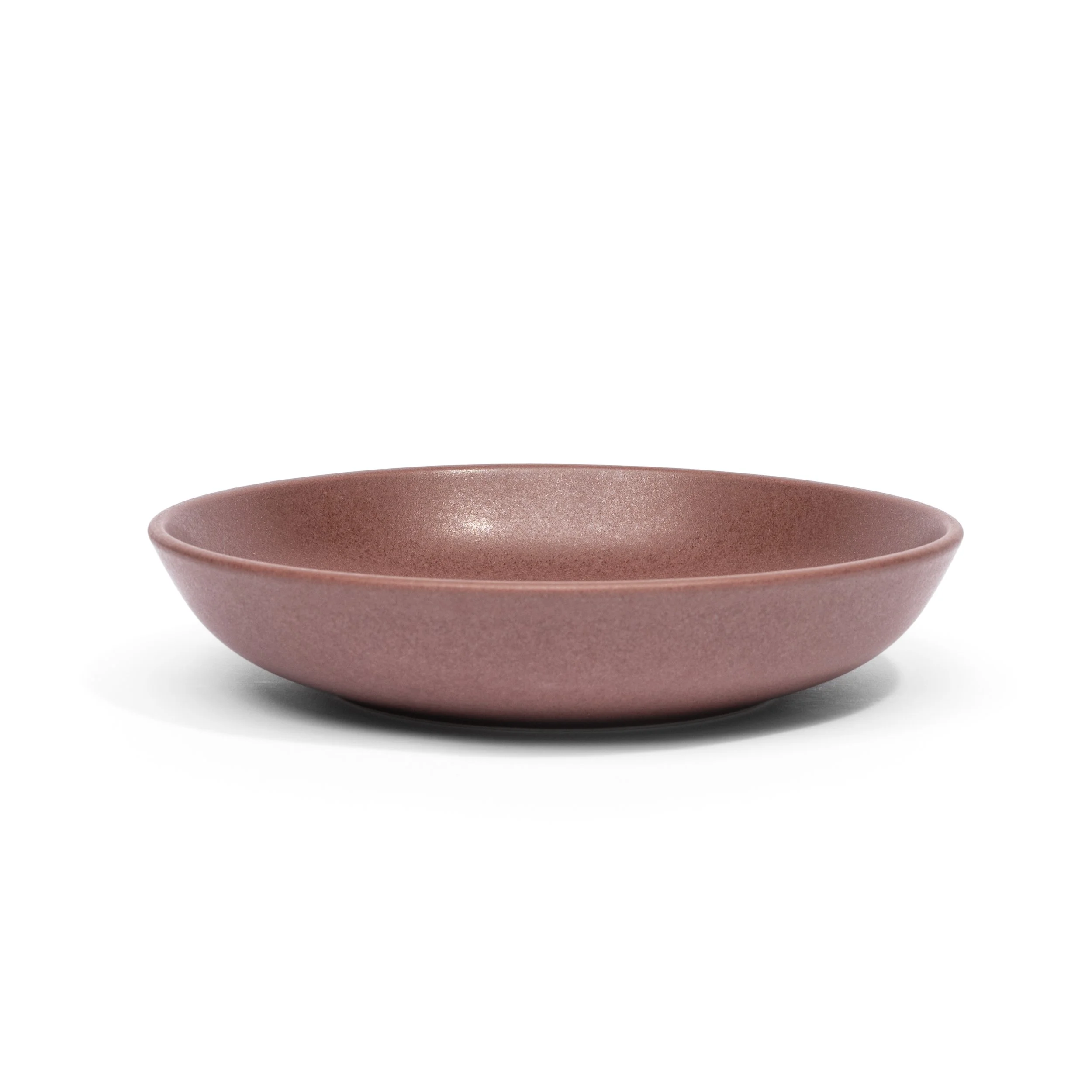
The Basso Bowl is 9 inches and shallow, which means it plates like a plate and holds like a bowl. It is the single piece we sell more of than any other.
If your week runs to saucy dishes and noodles, you want a Helping. If it runs to grain bowls and things you want to see spread out, you want a Basso.
Then, which set
Three configurations, each one adding to the last.
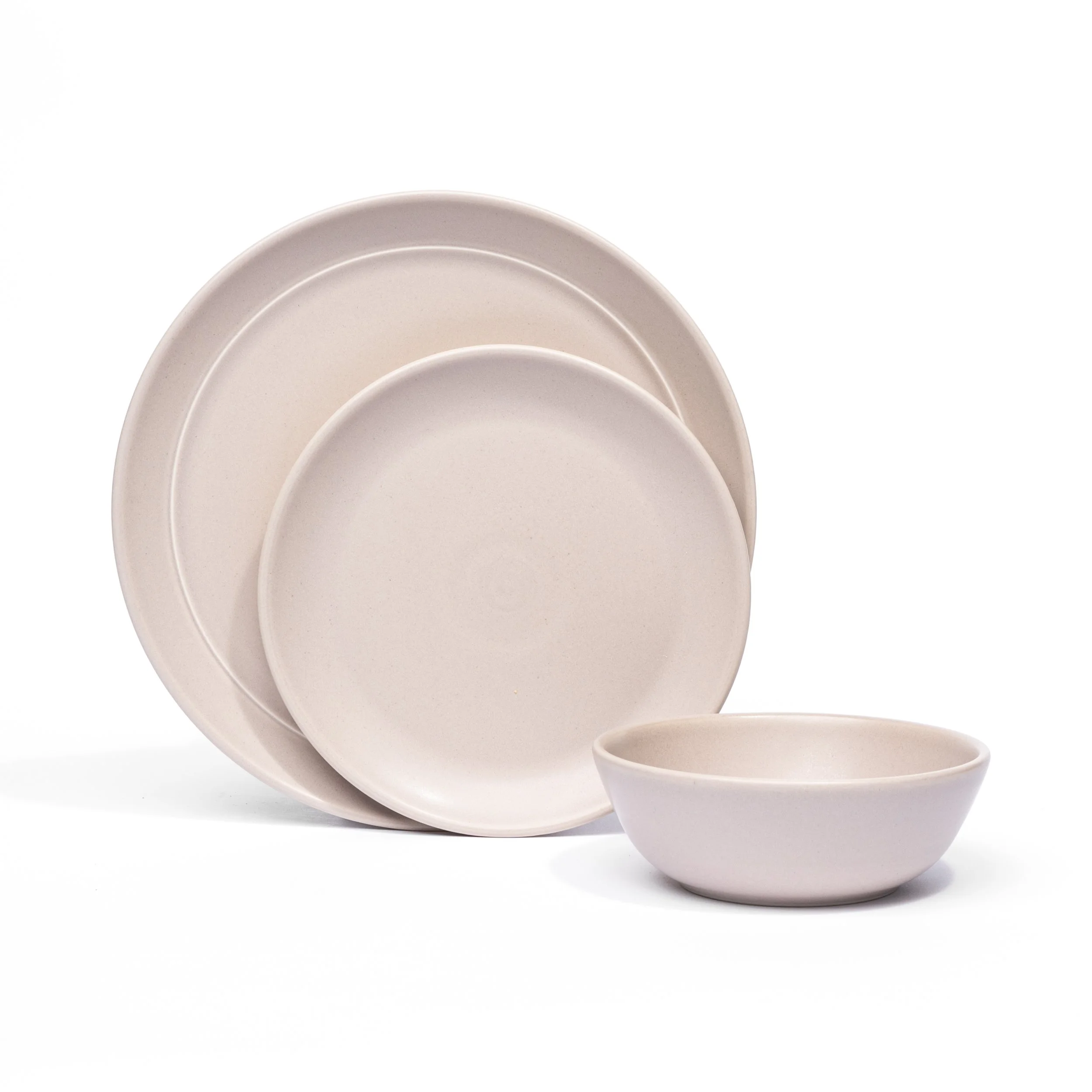
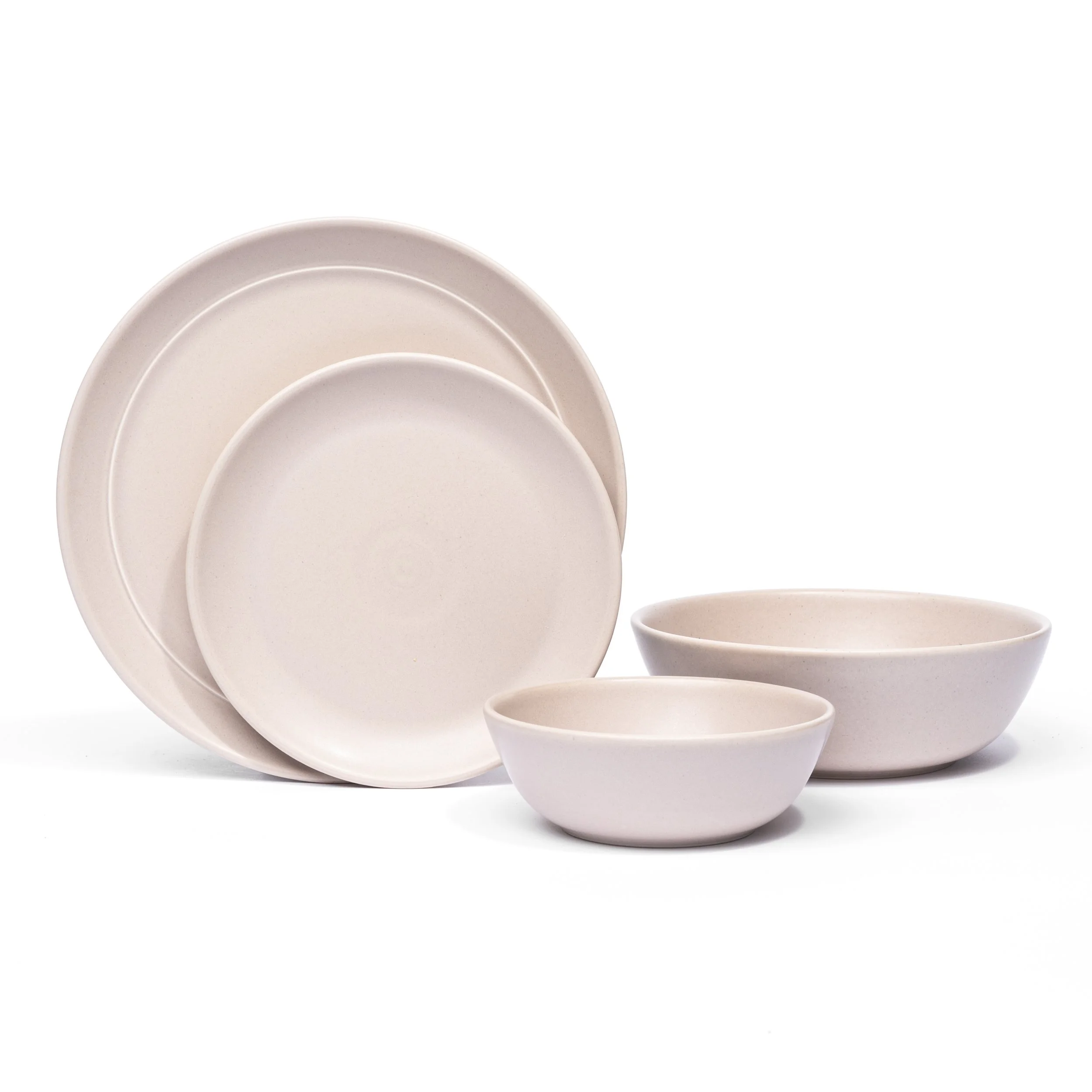
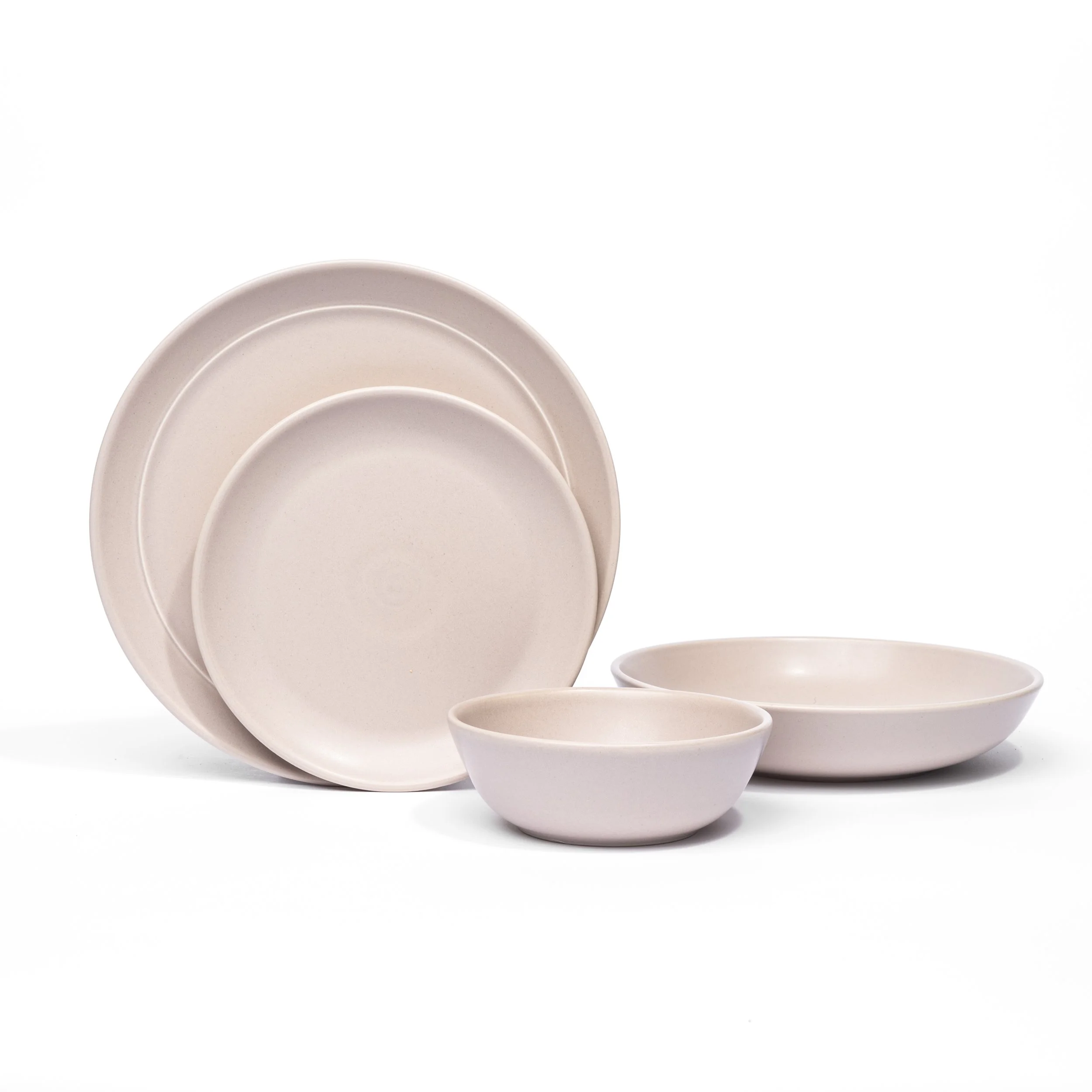
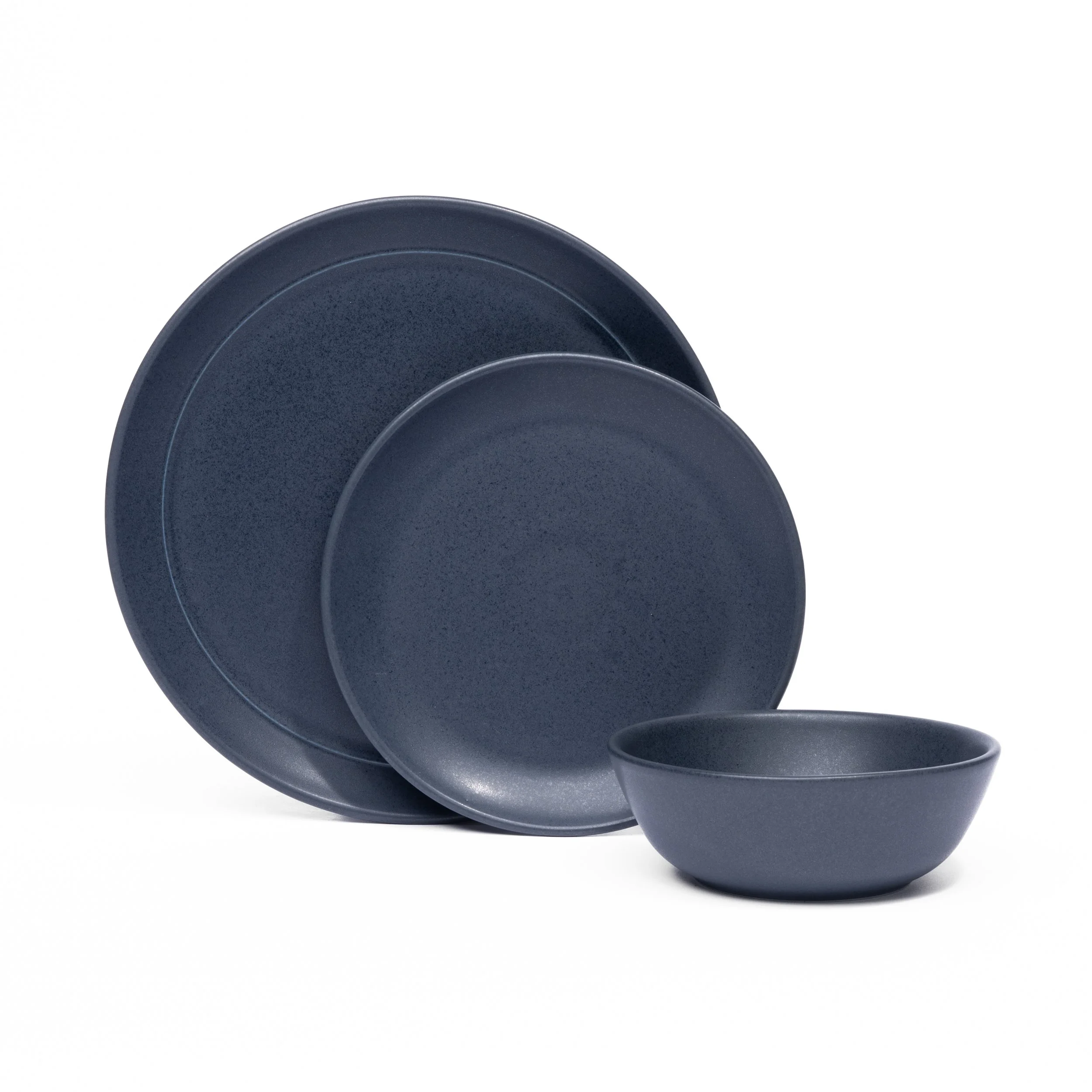
The 3 Piece Set is Dinner Plate, Appetizer Plate, and Tasting Bowl.
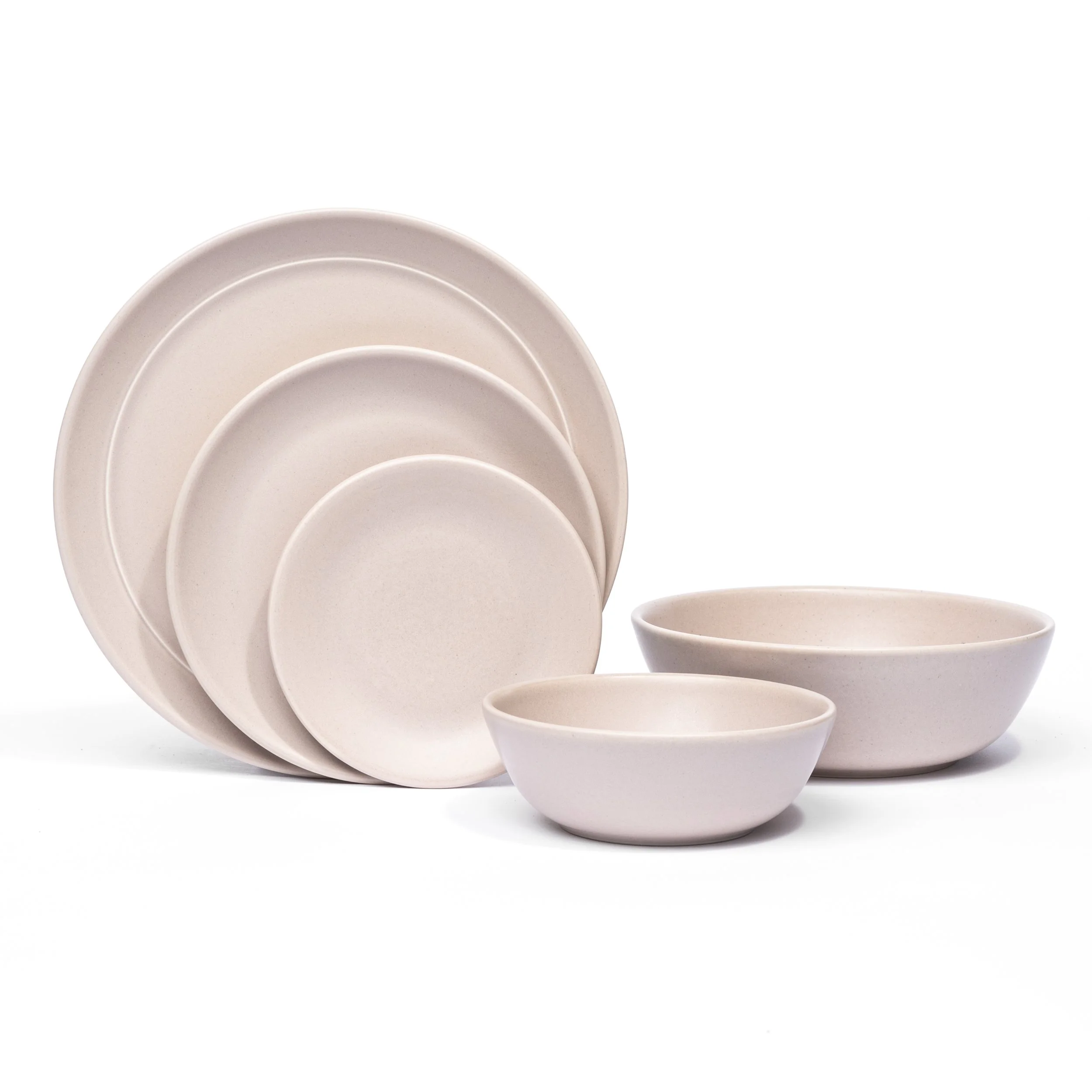
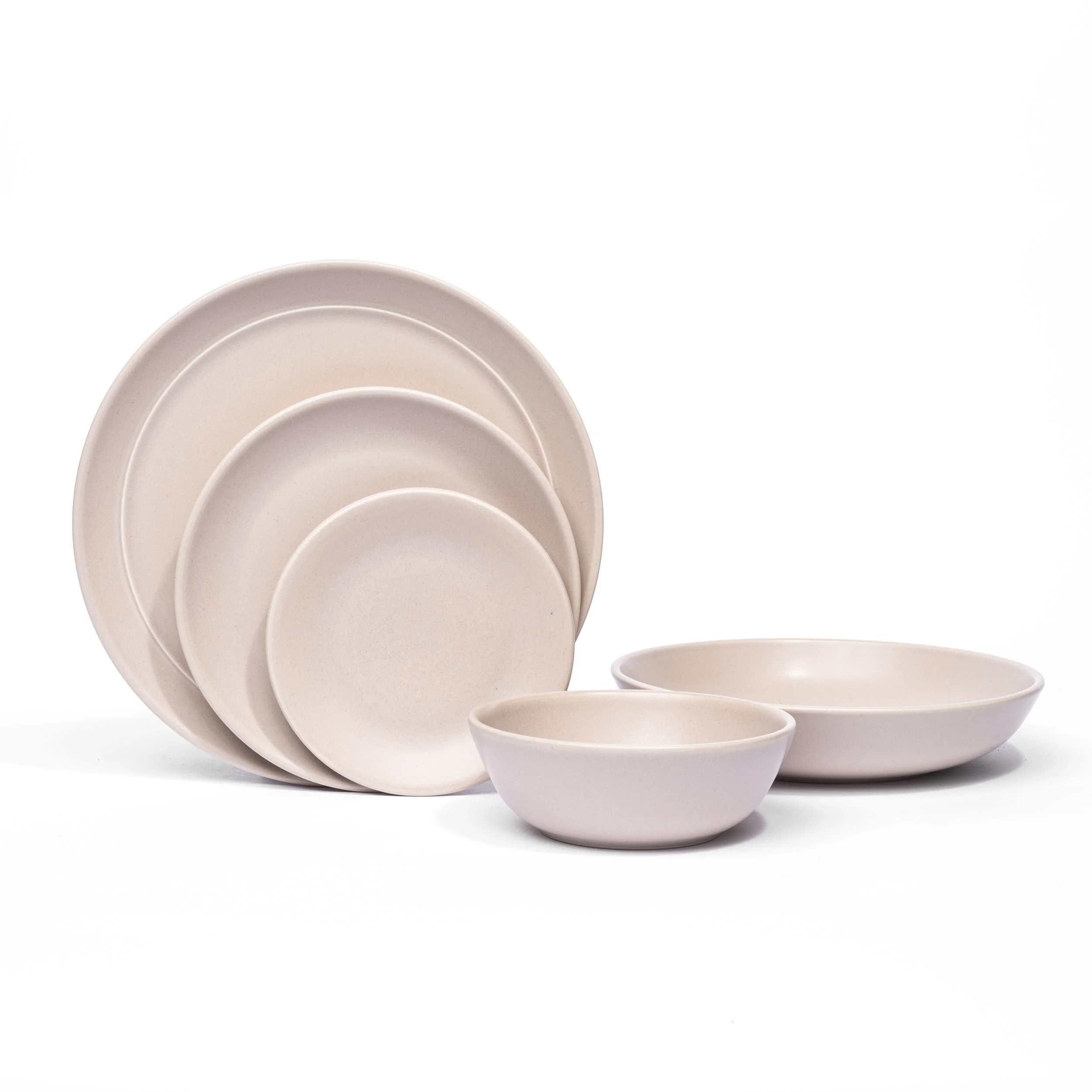
The 4 Piece Set adds a dinner bowl, and here you choose between the Basso and the Helping.
The 5 Piece Set adds the Morsel Plate on top of that.
Buying a set saves ten percent against the same pieces individually, which is most of why we would start you here rather than piece by piece.
Then, how many settings
Twelve is the most common number people buy, but the right number comes from four practical questions rather than from a convention.
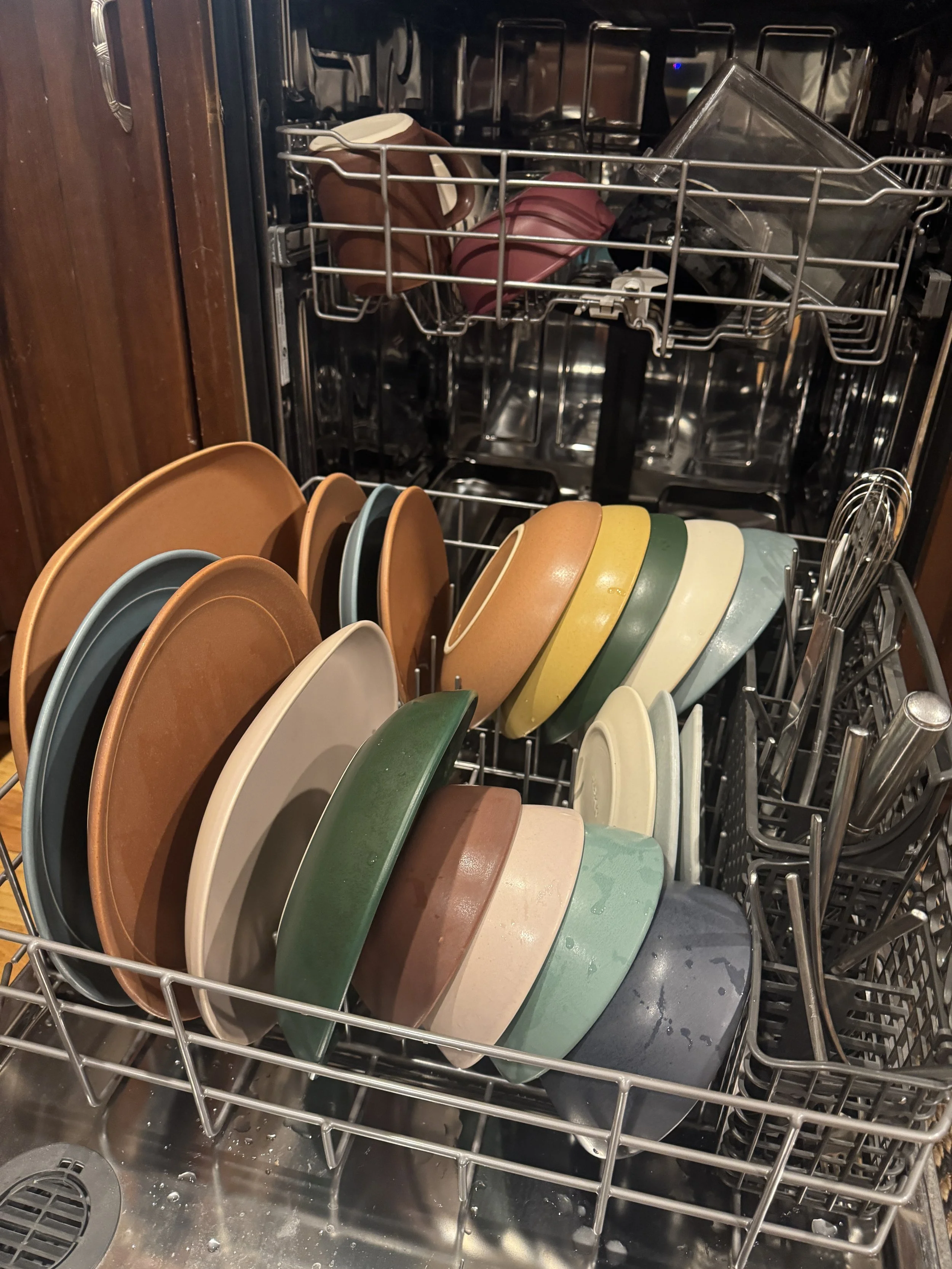
How much storage you have, and how it is shaped. Our flatware stacks tightly and the bowls nest, so the constraint is usually shelf height rather than shelf width.
How large your dishwasher is. It sounds like a strange question. It is not. A larger dishwasher needs more plates in circulation before you run it.
How often you actually eat at home. Every meal at home and four settings will feel thin by Thursday.
How many people you seat when you seat everyone. Holidays, not Tuesdays.
You do not have to arrive at the final number in one order. Core Colors run for about two years (possibly longer), which is deliberate. It gives you time to add.
Then, the colors
This is the part people find hardest, and there is no wrong combination. Our glazes were built to be mixed. What follows is not a rule, it is what we watch people do when building sets.
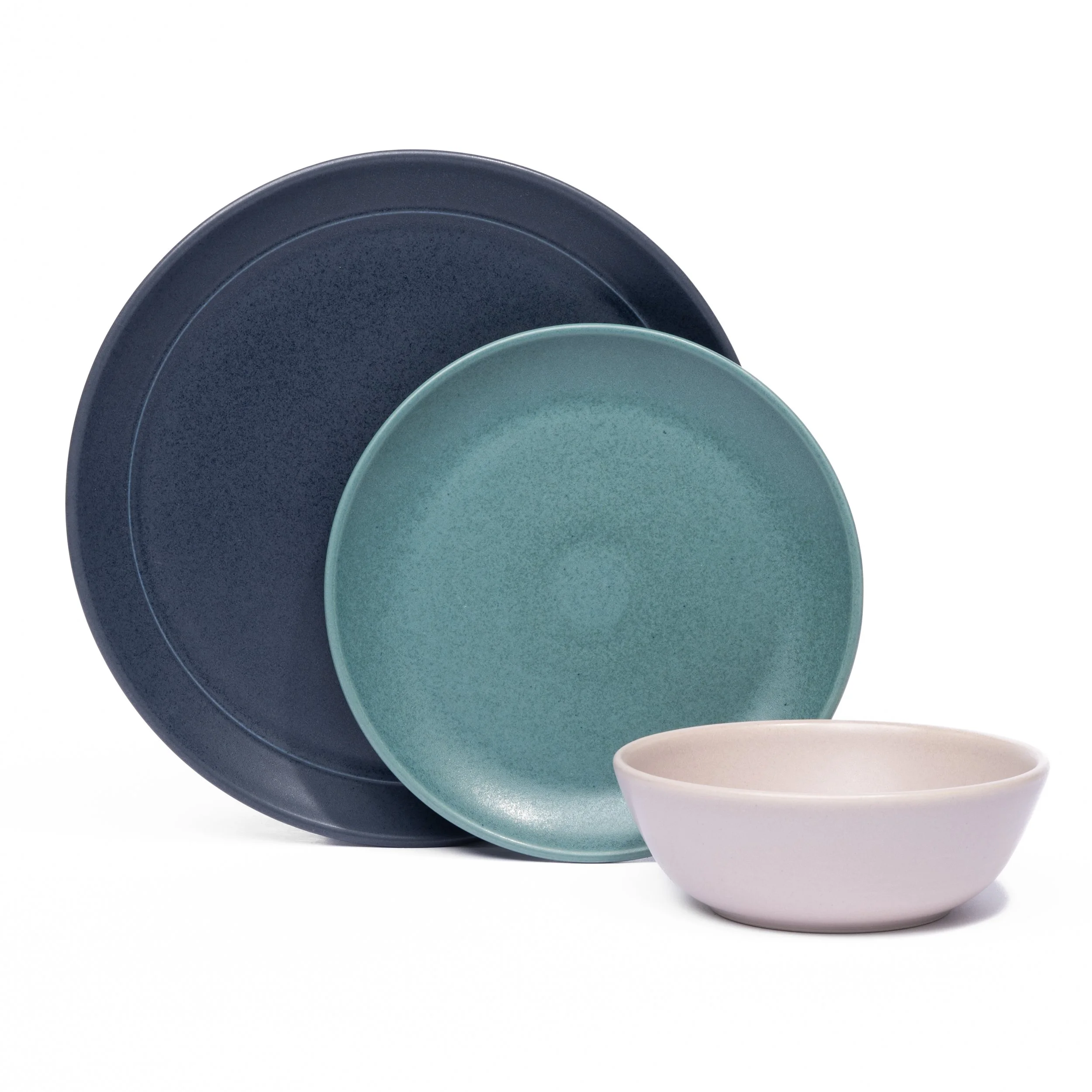
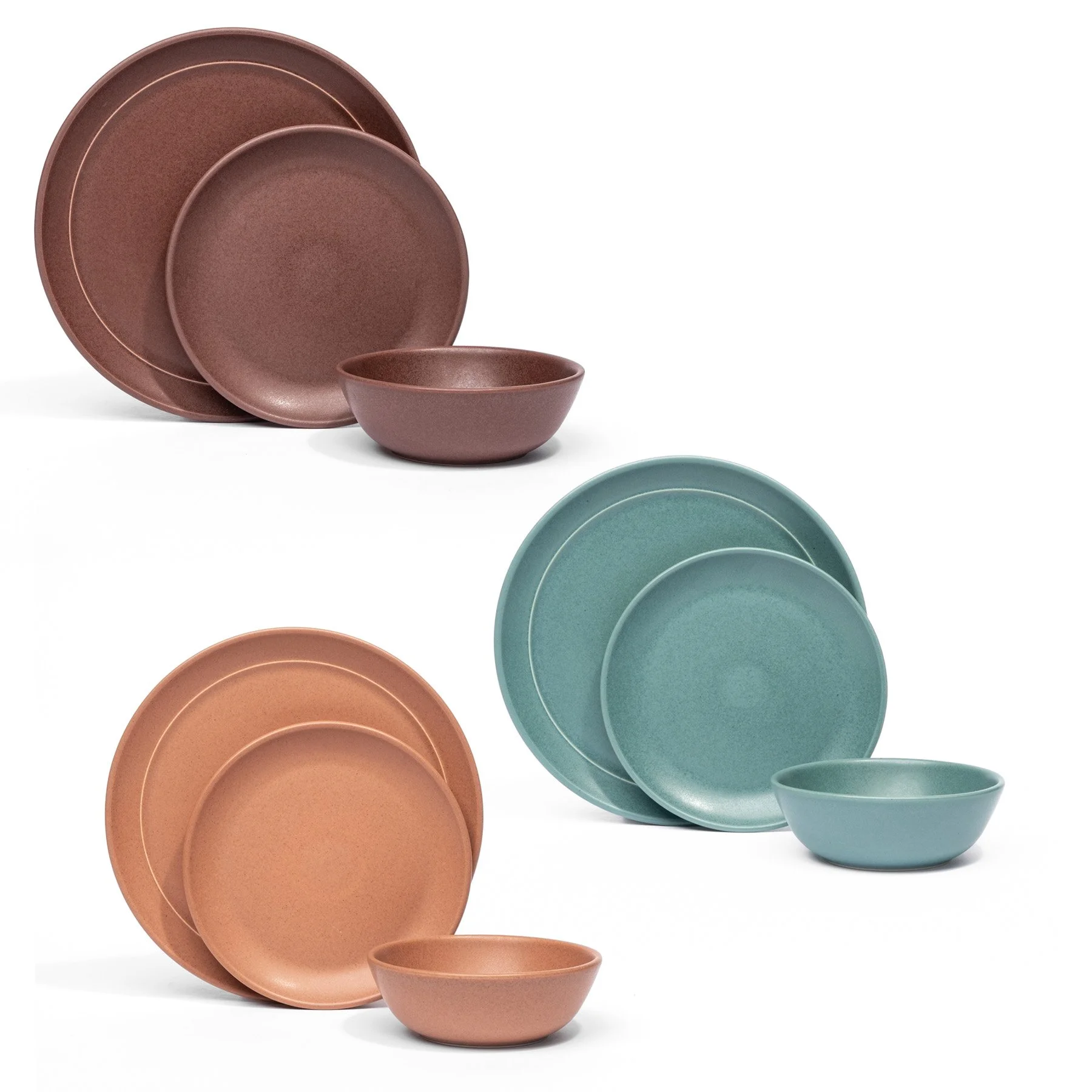
There are three ways to build a set, and they are worth naming because most people are choosing between methods without realizing it.
One color. Every piece in the same glaze. Calm on a table, easy to add to later, and the way most of our sets go out the door. If your dishes live on open shelving, this is the one that reads as part of the room.
Mix the setting. Two glazes in one setting, divided by what the pieces do. Plates in one color, bowls in another. Or keep the setting in one glaze and let a single piece break it, a Canyon tasting bowl against a Moonlight setting. Think about what you cook in each piece and let that decide.
Mix the table. Each setting stays one color, and the color changes from setting to setting. Twelve settings might be four Nightfall, four Rosewood, four Dove. Set four for a Tuesday and the table is quiet. Set all twelve and it comes alive. This is how we buy it ourselves, and it is what we recommend most often in the studio.
One thing good to know about the last two: If you want to mix within a single setting, that is a separate listing. If you want to mix across settings, you order the single-color listing more than once and split the count (e.g. 4 Rosewood, 4 Dove, 4 Canyon)
Which glaze for which piece
Think about what food you put in the piece. A glaze is the background and the food is the subject. Pale food like pasta or rice looks one way against a saturated glaze and another against a quiet one. Neither is wrong, they are different meals.
Beyond that, our customers have settled into patterns that may be helpful in your considerations:
Nightfall is where most people land for dinner plates. Deep navy, near-black in low light, distinctly blue in daylight. It grounds a table and does the most for a plate of food with the least effort from you.
Rosewood is the most versatile glaze we make. It is the most-chosen color on the Basso Bowl and it holds its own on plates, which almost nothing else in the palette does across that range.
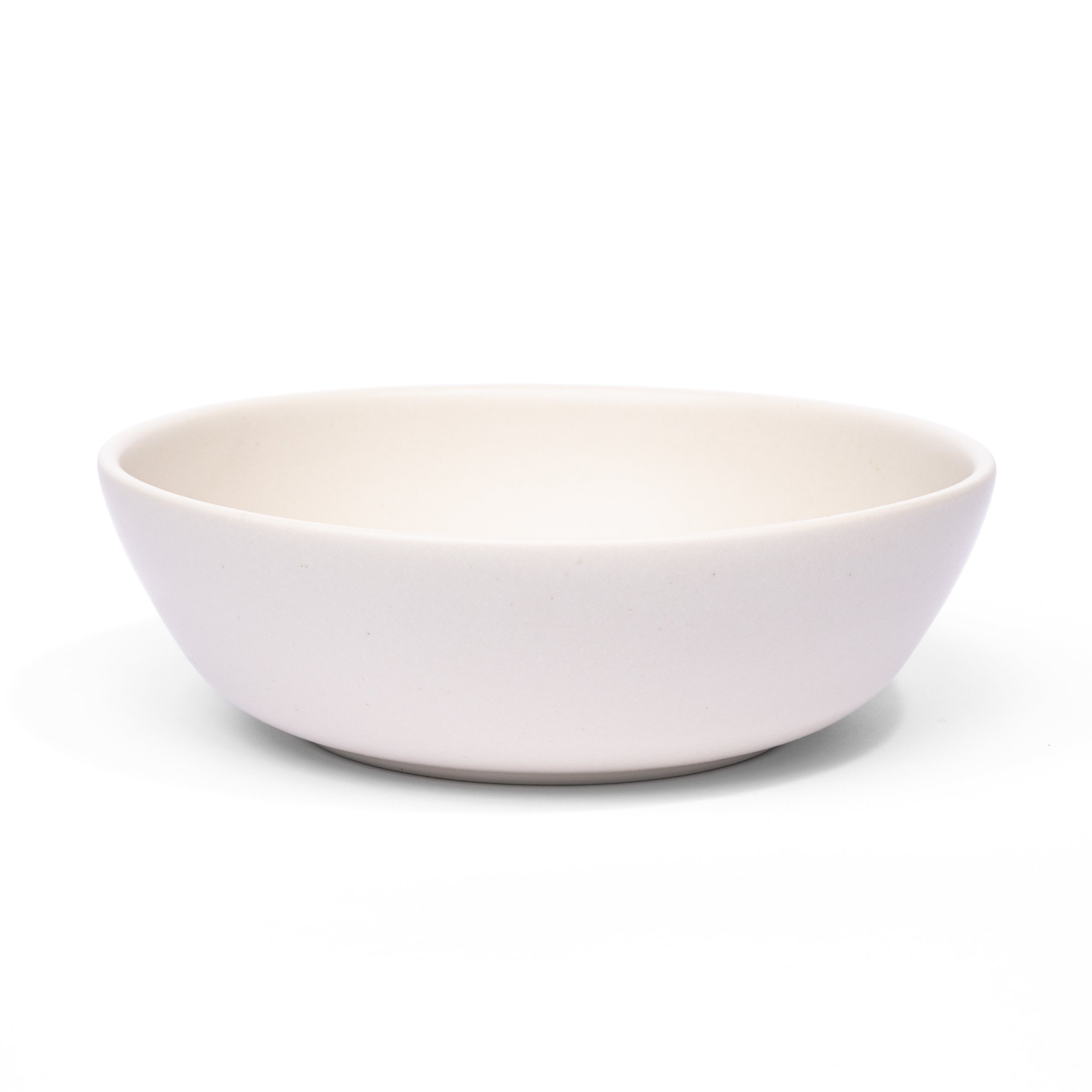
Moonlight comes into its own on the large serving pieces, the Helping and the Feast Bowl. A warm off-white that is present on a table without competing with the food or with the other glazes.
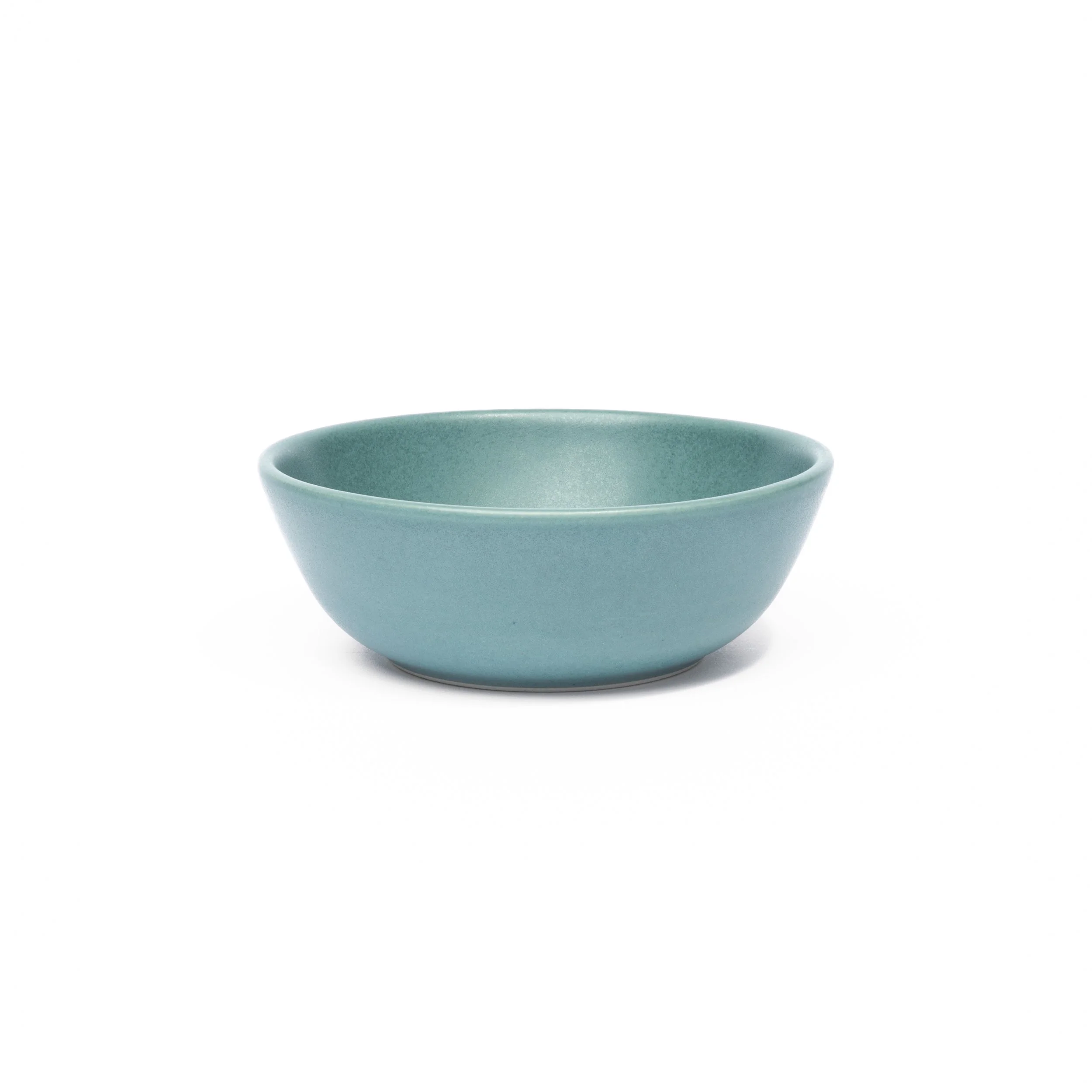
Verdigris is a small-piece color, and dominantly so. It is the most-ordered glaze on both the Morsel Plate and the Tasting Bowl. Its dappled surface has more to look at up close than at arm's length, which is exactly what a small piece asks for.
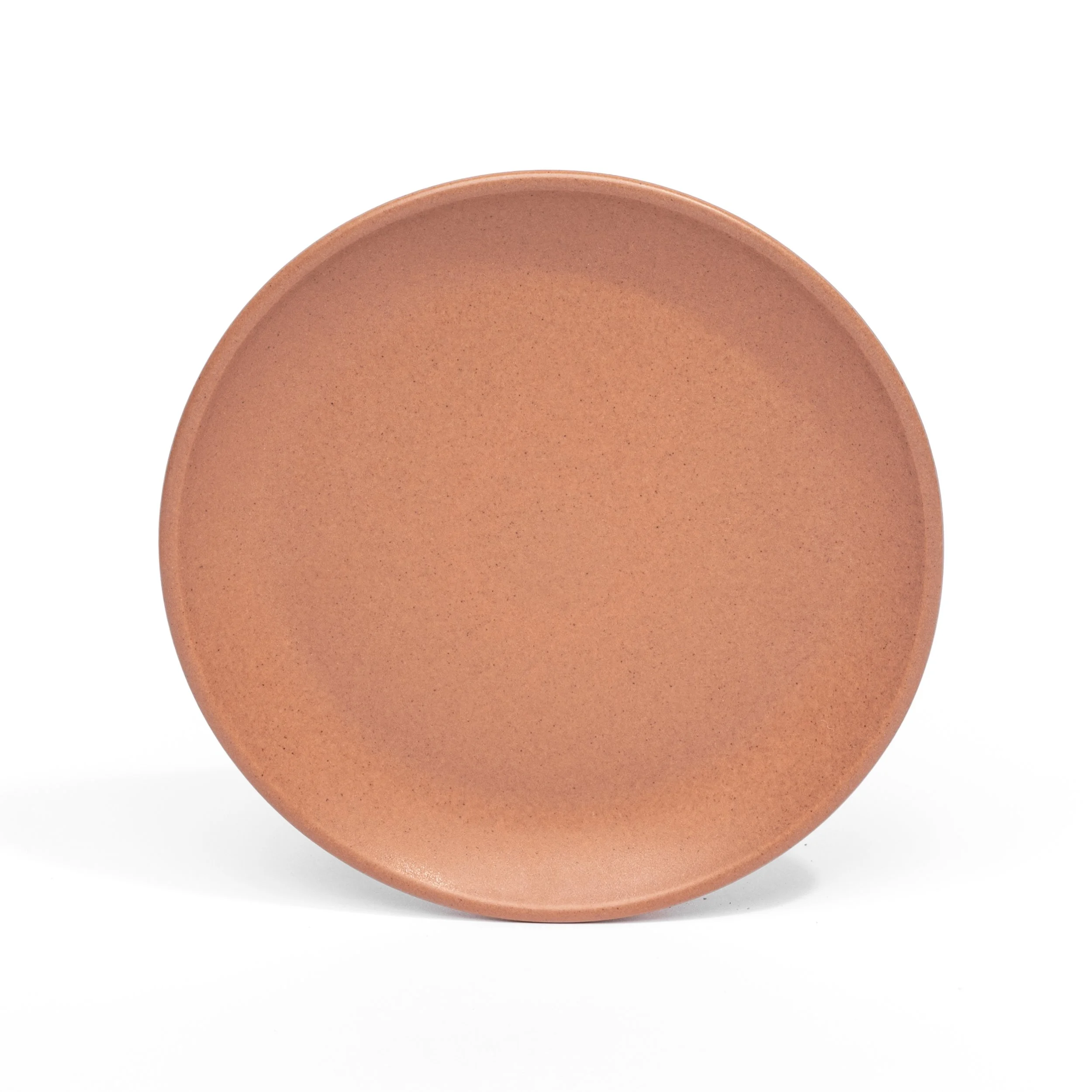
Canyon is our accent. Warm terracotta with a fine umber speckle, and it is at its best on the appetizer plates and small bowls, where a warm color is a note rather than the whole song. It is also the glaze that most reliably makes a table interesting.
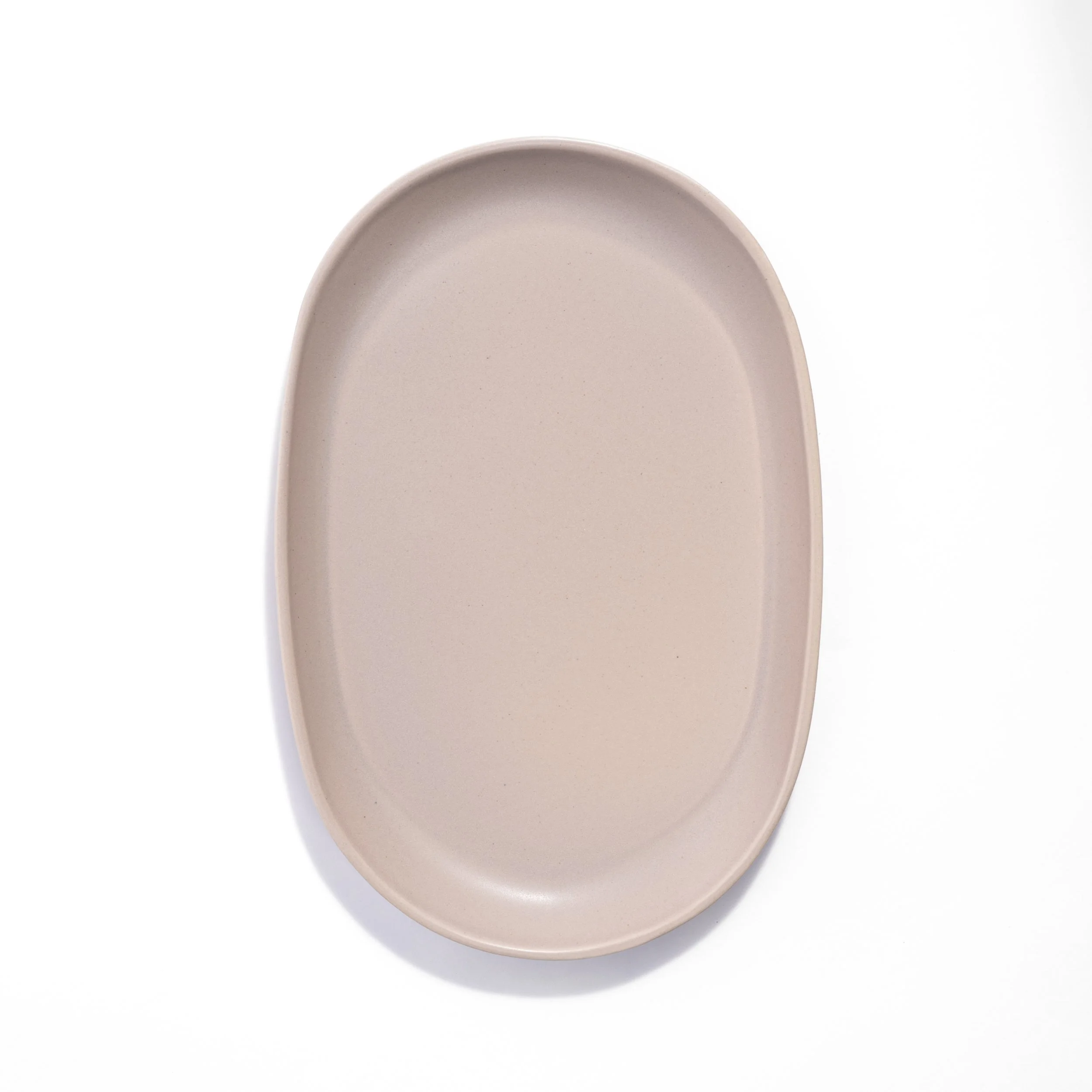
Dove is a warm grey with a lavender undertone that reads as neutral in most light and adds something you cannot quite name. It works alongside the warm glazes and the cool ones equally, which is rare.
If you are pairing two, the combinations our customers reach for most are Canyon with Rosewood, Canyon with Dove, and Nightfall with Verdigris.
And if you are stuck, start with a color already in your kitchen and go from there.
What to add next
Serveware, and there are two moments people add it.
Some add it at the same time as the set, and almost always for the same reason. There is a color they love and are not quite ready to commit to across twelve settings. A platter is where that color goes. You get to live with it, on the table, in the middle of everything, without having decided anything permanent. If Canyon or Verdigris has been pulling at you and you keep talking yourself out of it, this is the answer. The 12 inch oval platter is the piece we would point you to.
The rest add serveware later, which is usually a question of spreading the cost rather than a question of taste. That works too. A set is the thing you use every day and serveware is the thing you use when people come over, so it is a reasonable order to buy in.
After that, drinkware and the pieces that suit how you specifically eat.
Where we'd start you
Pick your pieces from what you cook. Take the set that contains them. Settle on a number of settings from your storage and your table, not from a convention. Then choose one color, or mix the setting, or mix the table.
All of it is restaurant-durable porcelain in daily service in professional kitchens, which means the answer to whether it is too nice to use every day is no.
Set your table with the good stuff.